(Photo: Iowa Soybean Association / Joclyn Kuboushek)
Walking Rows: Planting begins as experts warn about weed control
April 23, 2026 | Kriss Nelson
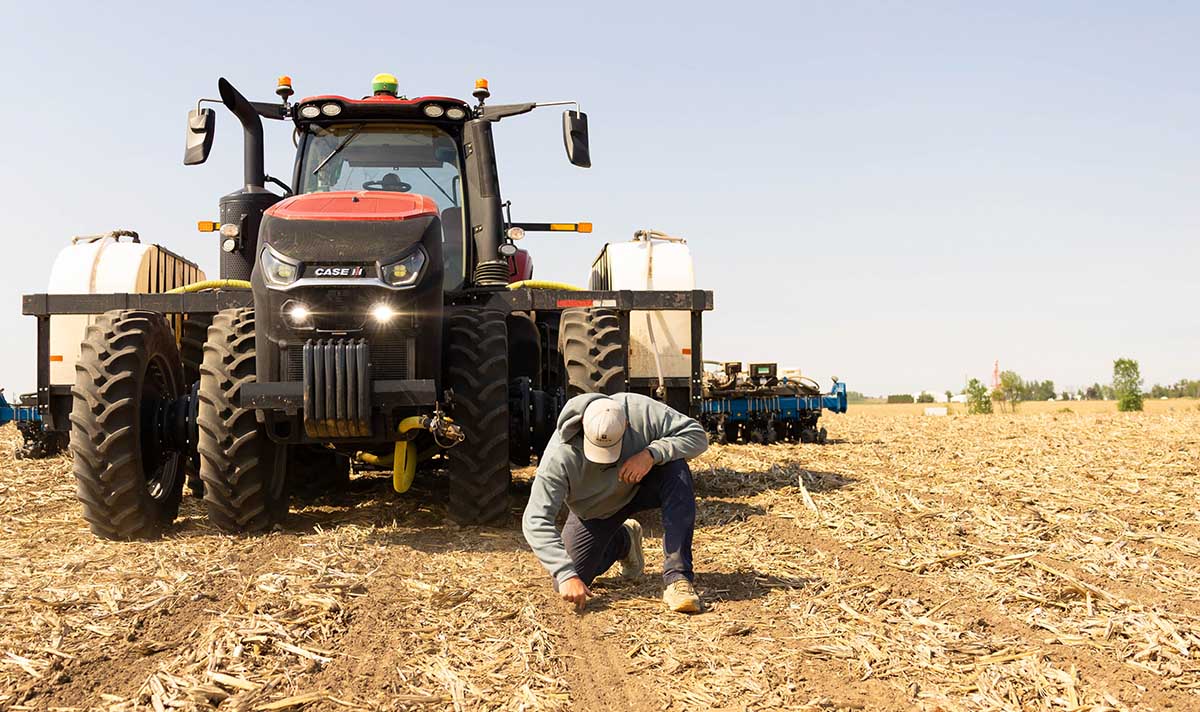
Fieldwork is gaining momentum across the state as growers are taking advantage of improved conditions. While progress varies, farmers are applying nitrogen, burndown of cover crops and pre-emergent herbicides. Some farmers are planting soybeans and corn where conditions are fit.
As activity ramps up, timely weed control and cover crop management will be key to maintaining yield potential and keeping the season on track.
Alex Schaffer – Central Iowa
Field activity resumed across central Iowa this week following a slower start to the spring season. Growers have begun a full range of operations, including spring ammonia application, burndown herbicide programs, and the early stages of corn and soybean planting.
Despite a perception that planting progress may be trailing recent years, current conditions remain well within optimal windows. Data from Iowa State University indicates that approximately 95% yield potential is maintained through May 15 for corn and May 20 for soybeans. Additionally, statewide planting capacity enables rapid progress when conditions are favorable, allowing the potential to complete planting within a relatively short timeframe.

Soil temperatures have reached suitable levels for planting, with most areas at or above 50 degrees. Given current soil conditions, the calendar date, and the near-term weather outlook, planting can proceed where field conditions are fit.
Rain remains in the forecast; however, temperatures are not expected to decline to levels that would pose a significant risk to recently planted crops. While recent precipitation has delayed some fieldwork, it has also contributed to improved soil moisture profiles across many areas, which should support crop establishment moving forward.
Herbicide application should remain a priority as conditions allow. Spring burndown programs should be executed with a clear plan, particularly given the frequency of wind-related challenges. For effective cover crop termination, use the full labeled rate of glyphosate in combination with a water conditioner and an appropriate surfactant. Applications should be timed to coincide with favorable environmental conditions, including adequate sunlight and moderate overnight temperatures, to optimize herbicide performance.
On soybean acres, pre-emergent herbicide strategies warrant careful consideration. Early-planted soybeans may exhibit slower emergence and early growth, extending the reliance on residual herbicides for weed control. Applicators should evaluate product selection and residual length accordingly. Continued field scouting will be important, particularly in early-planted fields, to assess weed pressure and determine the need for timely post-emergence applications.
Shane Beck – Northeast/Northern Iowa
As farmers get back into the field, weeds are already starting to show up, especially in soybean fields. Now is a good time to double-check fields, particularly ahead of no-till planting, to make sure weed pressure is manageable with a burndown program.
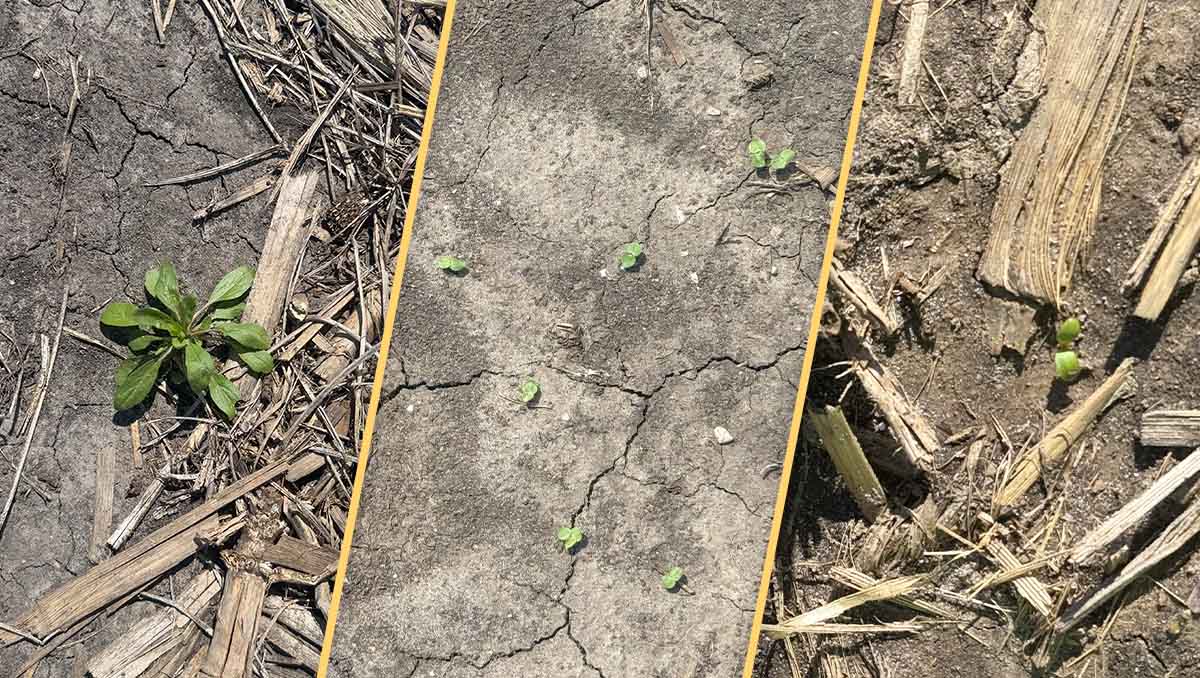
Timeliness is key. Ideally, pre-emergent herbicides should be applied within a narrow window, about two days before or after planting. That helps ensure products work when crops emerge without losing effectiveness by being applied too far ahead. Getting too far ahead with a sprayer or too far behind the planter can create challenges.

Most pre-emergent programs only provide three to four weeks of control, sometimes stretching to six or eight weeks, depending on the weather. That’s not a wide window.
Another consideration this week is anhydrous application. As fields dry out, many farmers are applying nitrogen, but it’s important to allow time between application and planting corn. The recommended time between anhydrous application and planting is 5 to 7 days to avoid injury to emerging crops.
Across my area of north central and northeast Iowa, progress varies. Farmers in north central Iowa have seen good planting progress, with a fair amount of corn planted and some finishing up soybean planting before switching to corn. Northeast Iowa remains wetter, with limited planting activity so far.
Craig Woods – Northwest/West Central Iowa
Planting progress is off to a slow start in west central Iowa as consistent rainfall has kept farmers in the starting gate. Conditions have been slowly improving as some warmer weather with consistent wind has allowed for some field work, provided there has been good field drainage.
Checking soil conditions ahead will still be important this spring to prevent sidewall compaction and other planting issues.

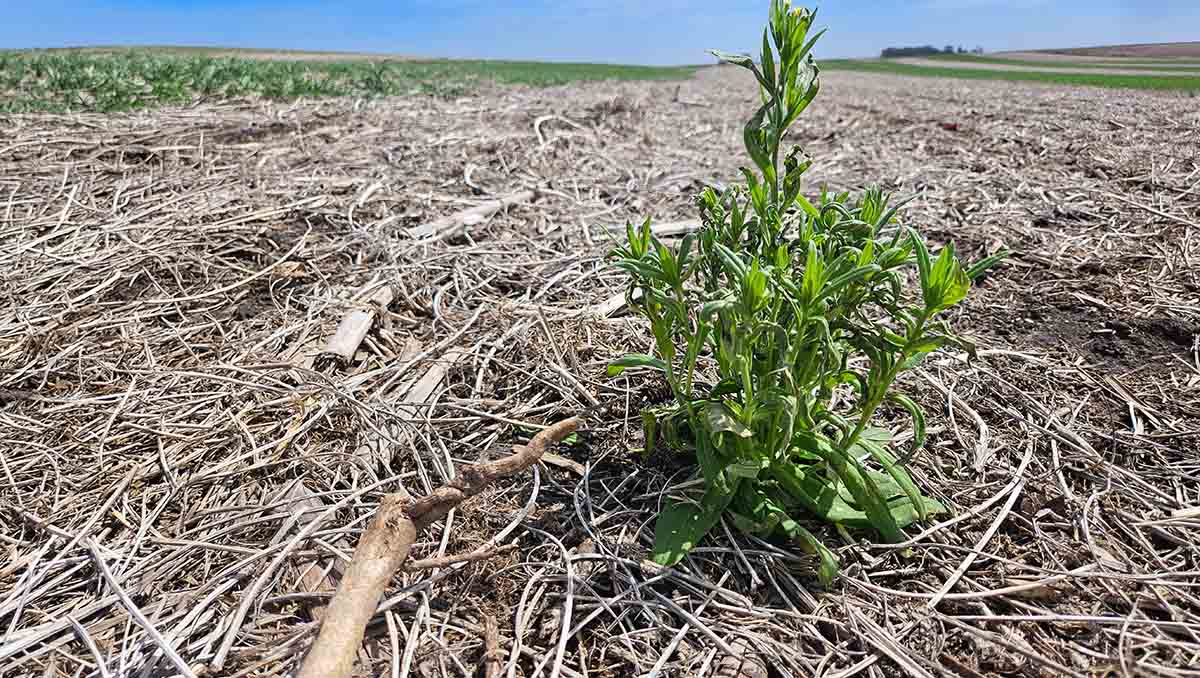
With warmer-than-average, wet conditions, cover-crop cereals are growing rapidly and will need to be managed closely to mitigate potential yield drag.
Along with cover crop management, wet conditions with warm temperatures mean early-season weeds. Fields that didn’t receive a pre-emergent earlier in the season may benefit from some weed scouting to determine future management decisions.
In northwest Iowa, it has been a different story, with conditions better, allowing field work to be in full swing, barring a few rains here and there.
Farmers in the northwest have been making the most of it with spring tillage, nitrogen applications, and getting some seeds in the ground. Currently, there are still some droughty conditions in that part of the state, but it won’t become an issue if spring rains eventually arrive. Currently, forecast outlooks point to temperatures around 60 degrees with periodic rain, far more typical of spring.
Lucas DeBruin – Southeast/Eastern Iowa
If April showers bring May flowers, there should be plenty of flowers in May.
Fieldwork has been hit-or-miss, depending on the area and field. Planters are rolling in district nine, with a few acres of soybeans planted during the dry week in March. We will see how they do in the next few weeks.
Most farmers are looking for their driest fields and pulling the equipment in there. It seems very field-dependent when conditions are good.

Cover crops are being burned down when applicable. Wet fields and wind have made termination challenging. With ample moisture and sun, cover crops have really grown. Keep an eye on them and don’t lose control. Know your capabilities and what biomass your acres can handle.
The challenge of finding dry fields this spring means there may be other challenges that present themselves later.
There is a risk of soybean seedling diseases such as pythium root rot, phytophthora root and stem rot could affect soybeans in low, poor drained and compacted areas. Rhizoctonia prefers well-drained soils.
Proper planting conditions and seed treatments can help minimize the impact these diseases have on yield.
Avreeanna Tweedy – Southwest/South Central Iowa
Field activity across southwest and south central Iowa was fairly limited last week, with most operations focused on preparation: machinery readiness, seed delivery and taking advantage of short windows between rain events. Rainfall totals varied across the districts, with reports ranging from 0.5 to 3 inches.
Where conditions allowed, I’ve seen some light field activity, including tillage, 32% nitrogen applications, and a few herbicide passes. A handful of producers have started planting small acres as fields become fit, but progress has been scattered and dependent on soil conditions.

I’ve also heard from a few producers that planting has started in parts of the districts. Corn has been going into the ground in Page and Adair counties, with some soybean planting reported in Adams and Taylor counties. These growers mentioned they began planting Wednesday, and I’m continuing to check in with others across the area as progress develops.
Pastures, hay fields and cover crops are looking strong, with a lot of bright green growth across the area. With the recent warmth and moisture, early-season weeds are also starting to come on quickly. I’ve also noticed more producers turning livestock out onto forages.
Looking ahead, even in areas where spraying hasn’t been possible, weeds and cover crops are continuing to grow, so termination planning and timing will be important as we move forward.
Fieldwork is expected to pick up as conditions improve. According to IEM: ISU Soil Moisture County Temperature Estimates, soil temperatures are trending in the upper 50s to low 60s and are expected to stay there over the next week. With rain chances in the forecast, many growers are looking to take advantage of current conditions and get some crop in the ground ahead of that system.
From what I’ve seen, the top layer of soil is starting to dry, but there is still good moisture underneath, which should support good conditions as planting continues.
Compiled by Kriss Nelson.
Back