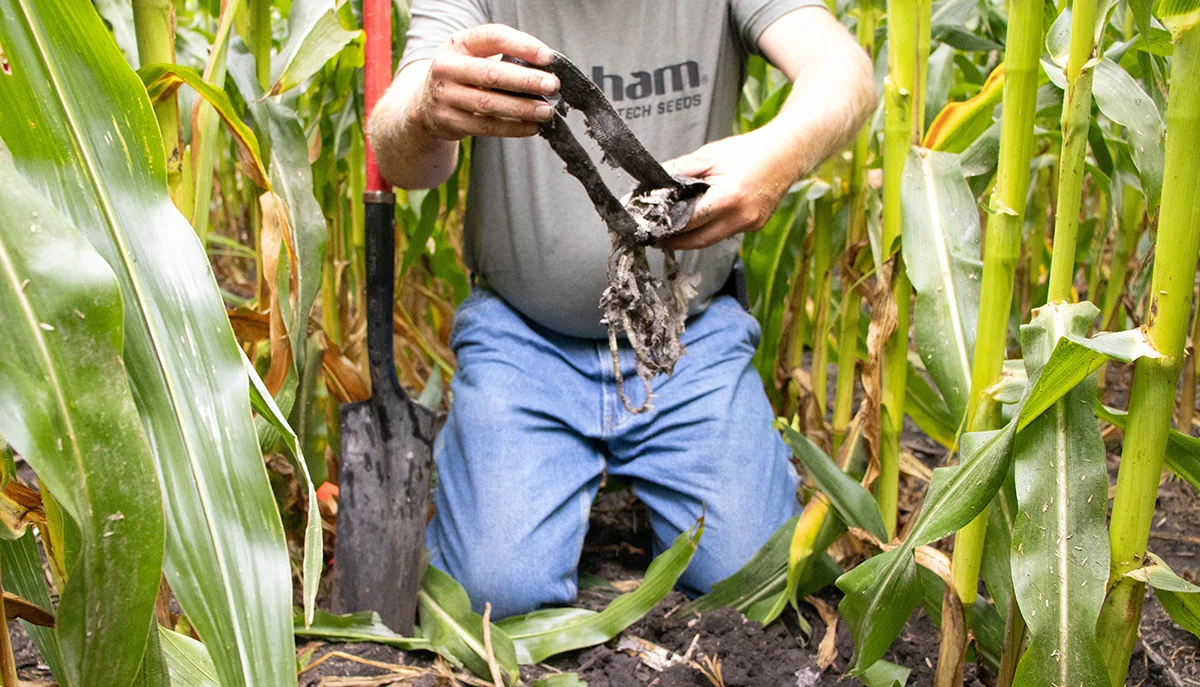
(Photo: Iowa Soybean Association / Kriss Nelson)
Soiled undies, healthy soil
August 20, 2026 | Kriss Nelson
Soiling your underwear usually isn’t something to brag about. Unless you’re trying to measure soil health.
That’s exactly what one Iowa farmer did this spring, burying a pair of organic cotton underwear at a 3-inch depth to measure the biological activity taking place below the surface.
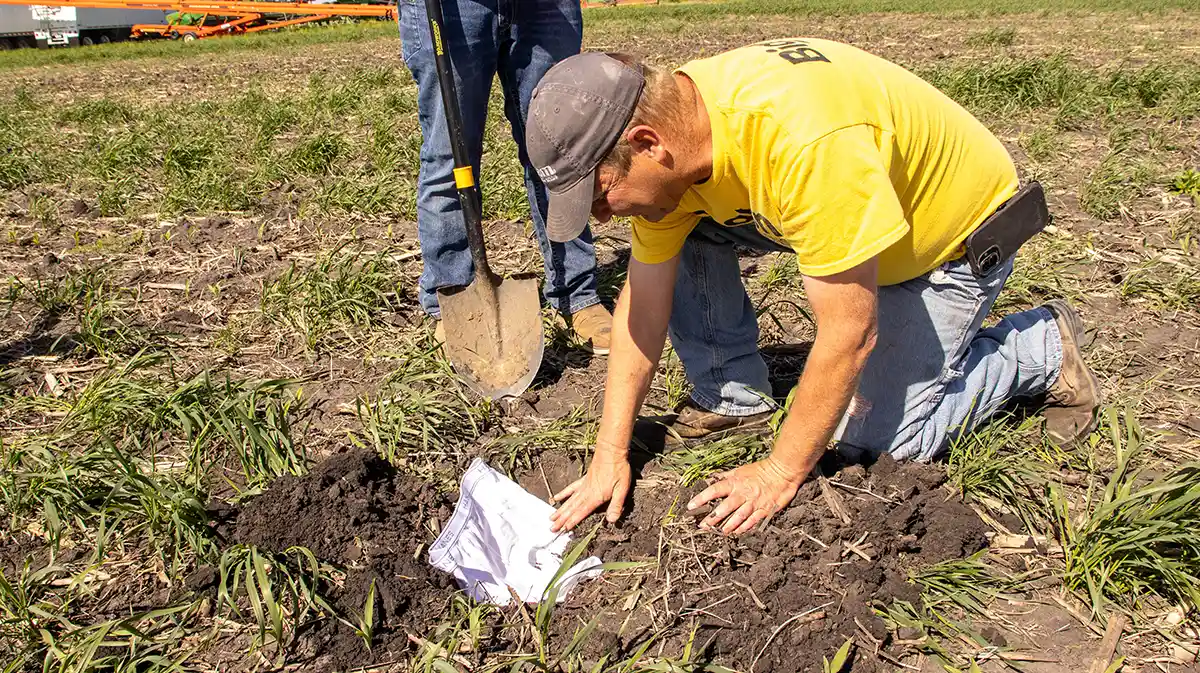
After three months underground, the results were hard to miss. Nearly all of the cotton fabric had decomposed, leaving little more than the waistband and elastic material behind.
For Doug Adams, an Iowa Soybean Association farmer-member near Humboldt, the Soil Your Undies experiment provided a visual representation of something farmers know is happening beneath their feet but can’t always see.
“We understand the microbes in the soil break down residue, and in that process, they’re making nutrients available for our crop,” Adams says. “We understand that’s happening, but putting a pair of underwear in the soil gives us a visual way to see it.”
What’s eating them?
Adams has been using no-till and strip-till practices for about 25 years and added cover crops to his operation about 12 years ago. The field used for this year’s experiment had winter wheat as a cover crop ahead of corn. Manure was also applied last fall.
The experiment is simple, but what happens to the underwear provides a window into a complex biological system.
Alex Slagle, an ISA conservation agronomist, says organic cotton is important because it mimics how crop residue from corn and soybeans decomposes in the soil. Synthetic fabrics don’t break down the same way and aren’t a good indicator of microbial activity.
The amount of decomposition helps demonstrate the health and abundance of the soil’s microbial community, which includes bacteria, fungi, nematodes and other microorganisms.
Together, those organisms play an important role in nutrient cycling.
“They take nutrients that plants can’t use and break them down into forms that plants can take up through their root systems,” Slagle says.
Greater microbial activity generally means the cotton material will break down more quickly.
But Slagle cautions that a disappearing pair of underwear isn’t a substitute for soil testing.
“The Soil Your Undies test is a good gauge of soil microbial health but doesn’t tell us all we need to know about nutrient levels,” she says. “Soil testing is still needed to inform future fertilizer applications.”
Dig a little deeper
Adams has participated in the experiment before and says one of its greatest values may have less to do with the underwear and more to do with getting farmers to stop and examine their soil.
He recalls digging up underwear with another farmer who had recently made management changes on his farm.
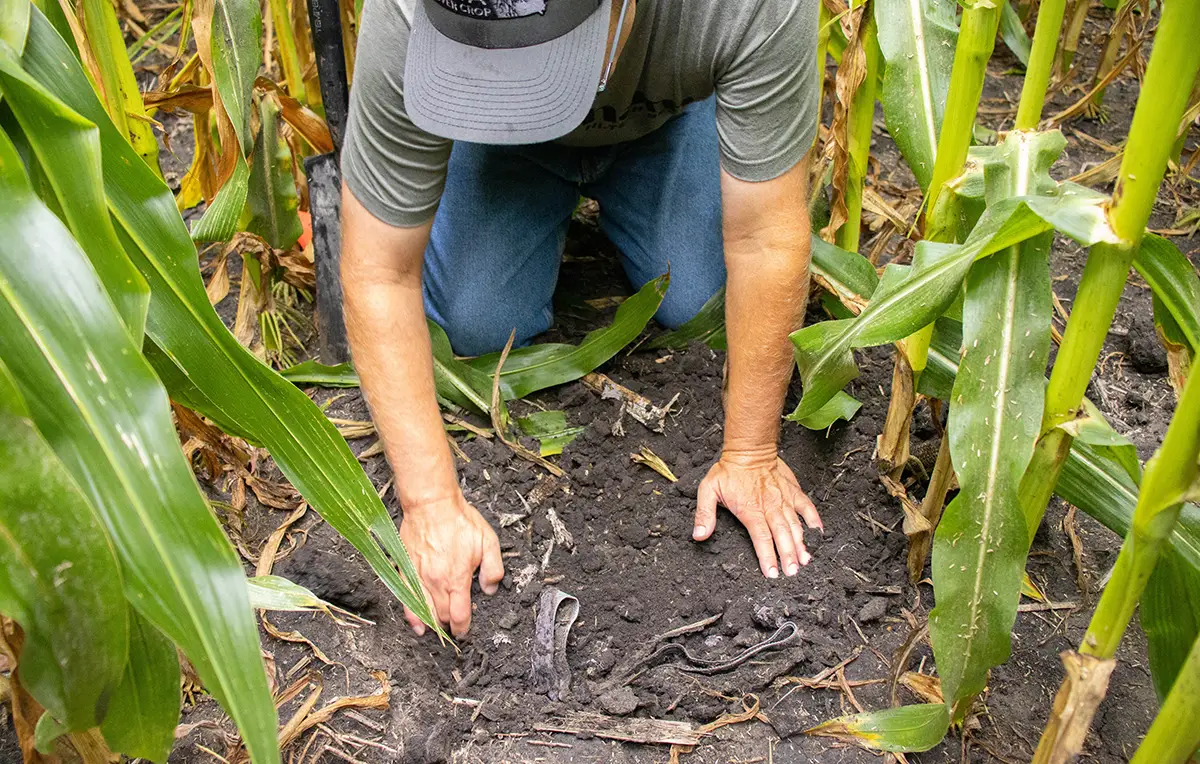
“He was looking at the soil, and he could see and feel the change in only a year or so after he had made improvements on his farm,” Adams says.
That moment stuck with Adams.
“If we hadn’t gone out there that day and dug up the underwear with him, would he have actually taken the time to look at the soil?”
Farmers spend plenty of time watching their crops, Adams says, but assessing soil health often requires looking below the surface.
“A lot of times as farmers, we’ve got plenty of things going on, and we just kind of glance out the window as we drive by the field and take an assessment of how things are working,” he says. “But actually going out there and digging in the soil is where you really see and feel that difference.”
Changes may be especially noticeable in less productive areas of a field, Adams says.
“The worst soil on your farm is going to be where you’re going to see the biggest change first,” he says.
Highly productive soils with greater organic matter may show less dramatic differences, while soils starting with lower organic matter may respond more noticeably when farmers add cover crops, reduce tillage or make other management changes.
Building soil health
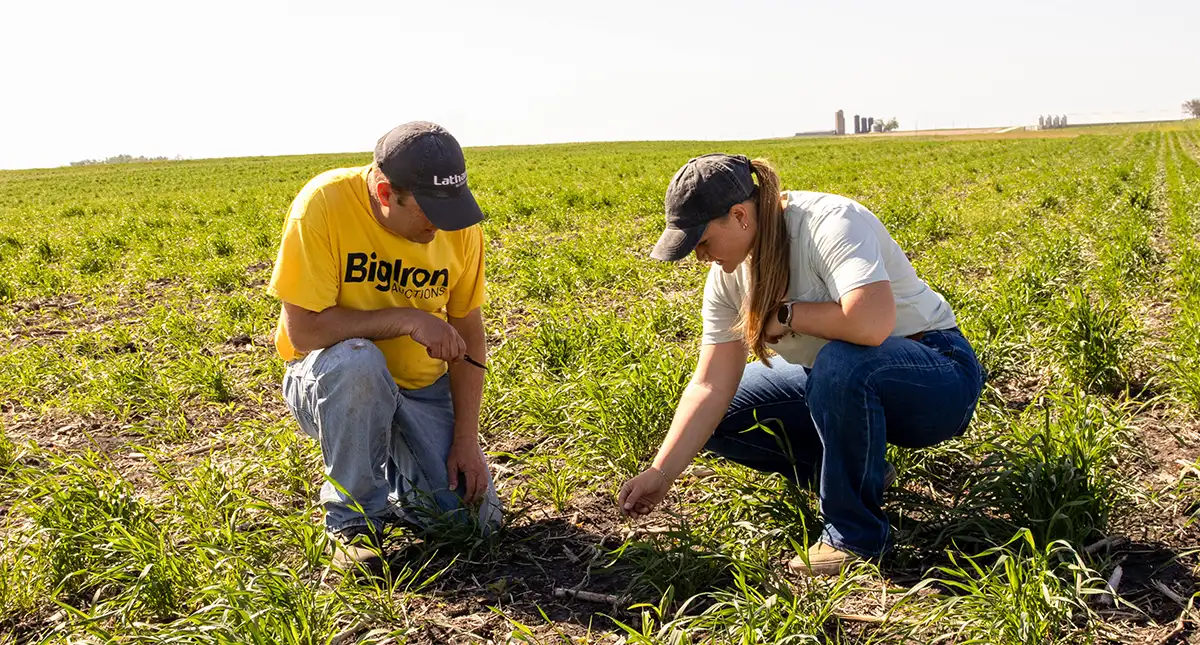
Slagle says farmers have several management options that can help create conditions for soil biology to thrive.
Reducing soil disturbance, adding cover crops, and incorporating livestock can all support the soil's living components.
“Soil Your Undies isn’t just a funny name,” Slagle says. “It’s an easy way to determine what practices may be reducing the health of your soil.”
Adams advises farmers to pick a spot on the farm and give the test a shot.
“You can try it out behind the farm place or way back in the 40 and just kind of see what’s going on,” he says.
And don’t just look at what’s left of the underwear. Look at the soil around it.
“To actually see the change, you kind of have to go out there and maybe dig a little,” Adams says. “If you’re just looking at it from the surface, I don’t think you really notice what’s going on.”
Farmers interested in improving soil health can work with an ISA conservation agronomist to identify practices that fit their operation. For more information, email conservation@iasoybeans.com.
Written by Kriss Nelson
Back