Poultry production strengthens markets for Midwest soybeans
November 19, 2026 | Kriss Nelson
What do chickens raised for Costco have to do with Iowa soybean farmers? About 160,000 tons of soybean meal a year.
That's how much Lincoln Premium Poultry uses annually, creating demand for soybeans grown in western Iowa and eastern Nebraska.
Jessica Kolterman, director of corporate and external affairs for Lincoln Premium Poultry, says expanding livestock production would create additional demand for Midwest-grown crops.
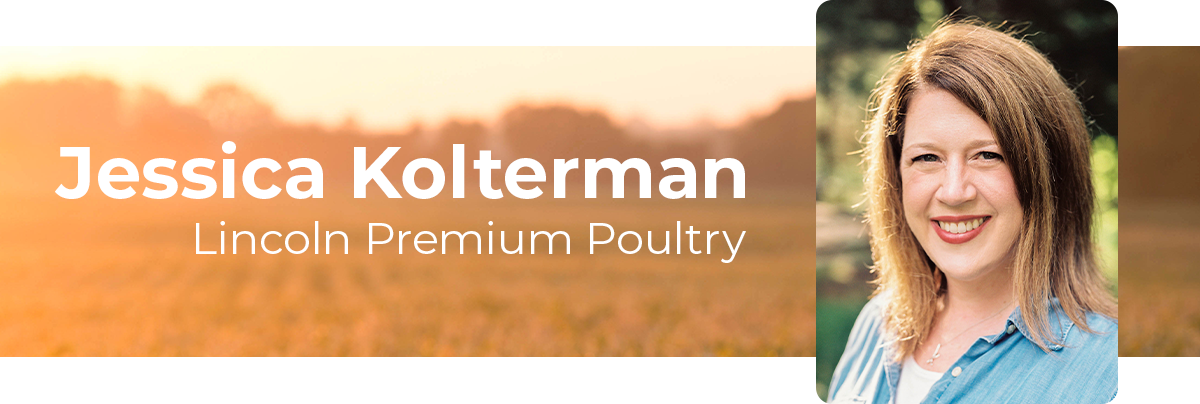
“The more livestock we can raise in the Midwest, the farther that grain will go, and it really does open up more market for grain,” she says.
Built around Midwest grain
Lincoln Premium Poultry’s story began around 2015, when Costco was looking for a reliable supply of chickens for its popular rotisserie products.
The retailer wanted birds that consistently met its specifications, including a target weight of approximately 6 pounds.
After about 18 months of research, Costco selected the Midwest for its poultry supply chain, largely because of the region’s abundant corn and soybean production.
Kolterman says poultry companies located along the coasts must transport much of their grain from the Midwest, adding freight costs and time between harvest and feeding.
Locating poultry production closer to soybean and corn supplies helps reduce those expenses while providing access to fresh feed ingredients.
“Having that fresh soybean meal right here from the heart of America has really made a big difference in the production process,” she says.
The company has also seen chickens reach their target weight sooner than initially expected. Lincoln Premium Poultry originally anticipated birds would reach market weight in 44 to 45 days. Instead, they are reaching that weight in approximately 42 to 43 days.
Kolterman points to the quality of Midwest grain and efficient feed conversion as contributing factors.
Soybean meal supplies digestible protein and essential amino acids, including lysine, needed for muscle development and growth.
More livestock, more demand
Kolterman sees room for additional poultry production in the Midwest, particularly in areas with established grain production and processing facilities.
“What would it be like if there were three or four companies like us the same size as us in the region?” she asks.
At Lincoln Premium Poultry's current consumption rate, three or four similar companies would use approximately 480,000 to 640,000 tons of soybean meal annually. That demand would also create a larger market for soybean meal produced by regional processors.
More livestock production would also support soybean processors, trucking companies, feed mills, animal nutrition services, and other businesses.
Supporting livestock growth
Expanding livestock production isn't always easy, particularly when proposed facilities face opposition over expected odors, dust, traffic and other concerns.
Kolterman encourages grain farmers to recognize how additional livestock production could benefit their own markets and support neighbors seeking approval for new facilities.
“I am a big believer in engagement with your neighbors and supporting livestock, whether you are the one growing livestock or not,” she says.
She believes that support needs to extend beyond conversations with neighbors to participation in public meetings.
“When you have a person in your county who goes through a public approvals process to get approval to build their livestock operation, show up and support them,” she says.
The Iowa Soybean Association shares Kolterman’s support of the state’s livestock industry. ISA was a founding partner of the Coalition to Support Iowa’s Farmers, which assists Iowa farmers in growing their farms responsibly.
Kolterman is particularly interested in supporting younger farmers trying to establish livestock operations. She encourages established farmers to stand behind the next generation, especially when proposed facilities face opposition.
“We have to turn into advocates for the industry,” she says. “Go support that kid, whether you know them or not.”
Written by Kriss Nelson.
Back