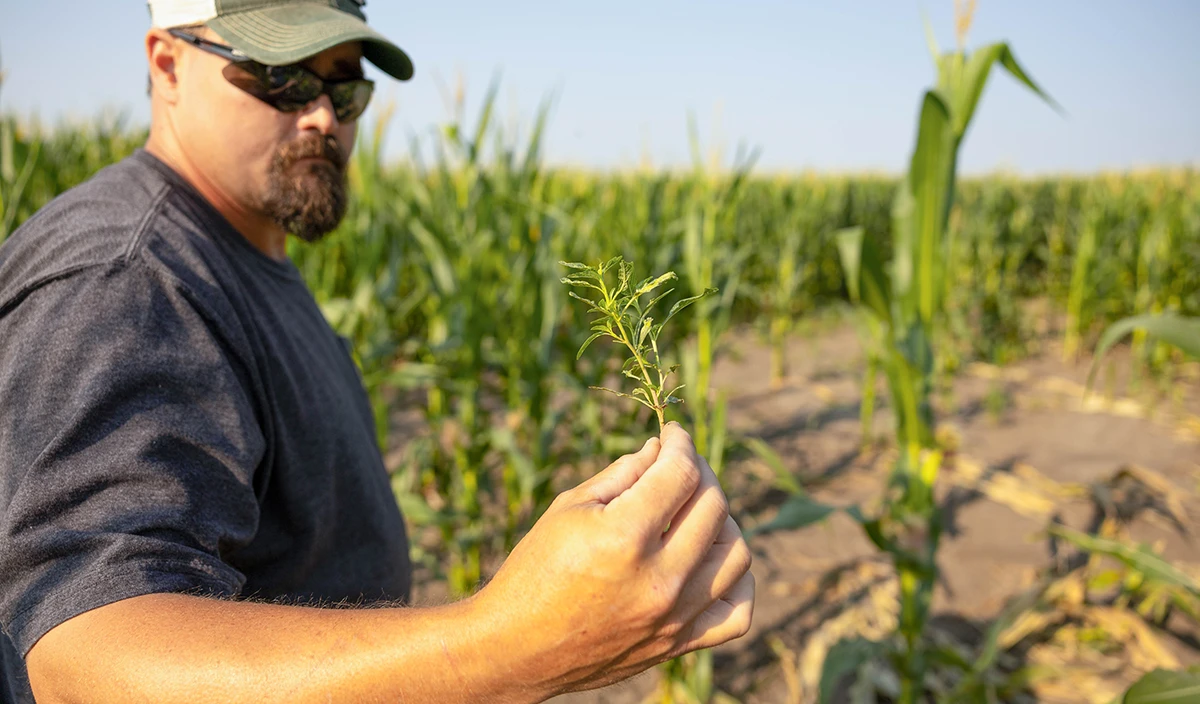
(Photo: Iowa Soybean Association / Joclyn Kuboushek)
Resistance is taking away pest-control tools
November 2, 2026 | Kriss Nelson
The biggest threat to next year’s soybean crop may already be in your fields.
Resistant weeds. Insects that no longer respond to insecticides. Diseases becoming less sensitive to fungicides. Across Iowa, researchers say the tools farmers have relied on for years are becoming less effective, making stewardship more important than ever.
Pest resistance isn’t simply a biological challenge—it’s an economic one. As weeds, insects and diseases become harder to control, the cost of protecting yield continues to rise.
Losing control - Insects
The greatest concern with resistance is losing effective options to control weeds, diseases or insects, says Alex Schaffer, Iowa Soybean Association research agronomy lead.
“For a farmer, pest resistance means a lack of control,” Schaffer says. “What keeps me up at night is the idea of having a problem that cannot be fixed with typical methods.”
And farmers shouldn’t wait for a widespread field failure before paying attention.
“By the time they do see an obvious failure, it’s too late,” he says.
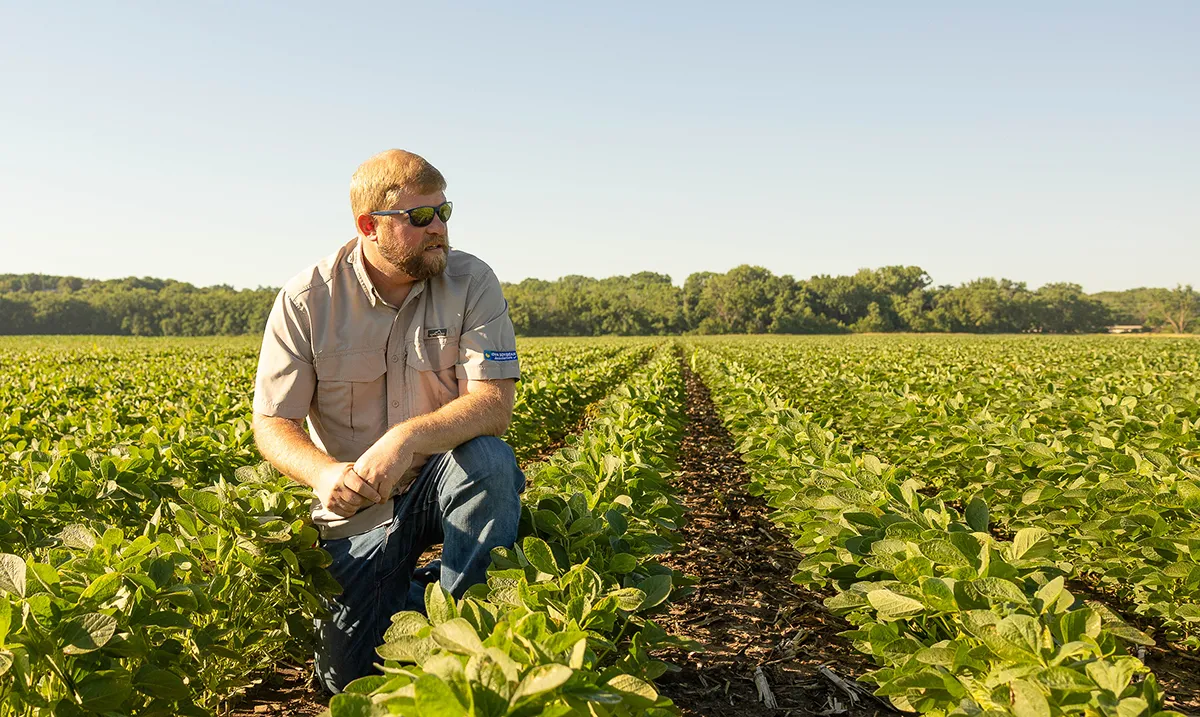
Waterhemp illustrates how quickly resistance can grow. Missing just one or two plants may not seem significant during the growing season, but those escapes can produce seed that adds to the weed seedbank and creates a larger problem in future crops.
“If you fail to kill one or two and you don’t see them until they are going into the combine, you have a problem,” Schaffer says.
The best defense, he says, is proactive, field-specific management. That starts with knowing the pest pressure in individual fields, scouting before making applications and choosing management tools based on the problem rather than convenience.
“Most importantly, make a plan and tailor it to address the problems specific to your farm,” Schaffer says. “Use multiple modes of action that are appropriate for the problem you are facing, and rotate year over year.”
That may mean different herbicide programs, hybrids or varieties, planting dates or other management decisions from one field to the next. Schaffer also cautions against making applications simply because they are already on the schedule.
“Scout before you spray and don’t make an application simply because ‘it’s part of my program,’ ” he says.
With resistance management becoming increasingly complex, Schaffer encourages farmers to seek another set of eyes when needed, including from ISA research agronomists.
“Different tools in the toolbox can have very different best-use cases, and it is nearly impossible to stay on top of that,” he says. “If we are not the expert, we know one and are happy to help.”
Outsmarting the Adaptation
Switch up tactics before pests adapt permanently
ISU Extension entomologist Erin Hodgson studies soybean insect pests and how management decisions can contribute to, or help slow, insecticide resistance.
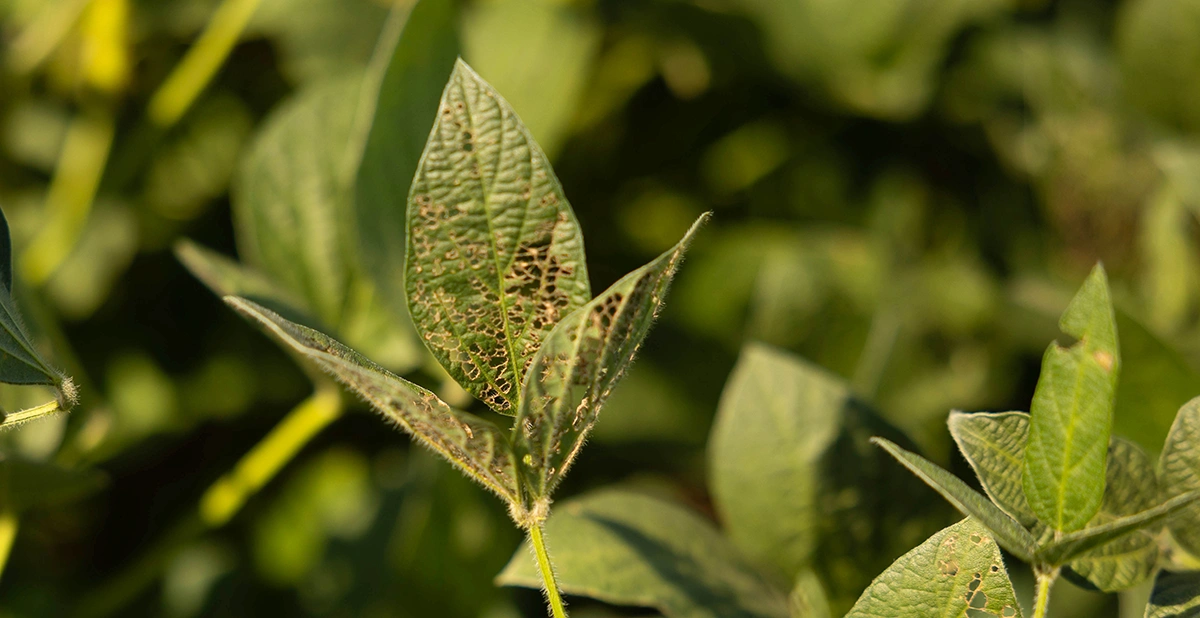
What insect resistance challenges are Iowa soybean farmers facing?
Hodgson: Farmers tend to use the same pest management strategies over and over again because they trust the results. Insecticides and transgenic traits usually come to mind, but it is important to consider insects can overcome cultural tactics farmers use as well, such as crop rotation and planting date. Insects can quickly adapt to repetition, which makes those strategies less effective. Pests that can adapt to the environment have a competitive edge and become persistent issues in soybeans.
Once a pest has developed resistance, it passes that genetic advantage to its offspring. Resistance never goes away; it only intensifies in the pest population. Our only effective response is to do something different to try to suppress an outbreak.
Are management decisions accelerating insect resistance?
Hodgson: Selecting the cheap option isn’t a long-term plan for pest management. We have several documented cases of pests surviving and thriving in fields sprayed repeatedly with older pyrethroids. A pesticide treadmill is very expensive and unlikely to provide a return on investment.
We have little evidence showing prophylactic—or “just in case”—treatments mixed with fungicides are cost-effective in Iowa soybeans. Insecticides are only a profitable decision when pest pressure is likely to exceed the economic injury level, the point at which measurable loss can be documented.
Insecticides sprayed too early can also negate the impact of beneficial insects because they are susceptible to many broad-spectrum products.
Most of the products farmers use are contact insecticides, and their biggest impact on reducing pests occurs on the day of application. Don’t count on residual activity to protect yield after the day of application. New growth is unprotected, and that’s where many pests prefer to feed.
What concerns you about insect management over the next 5 to 10 years?
Hodgson: There are some newer active ingredients that are more effective and sometimes more selective. However, these products are slowly being approved for commercial use, and they are likely to be more expensive than generic products.
Farmers should stay updated on product performance and use them judiciously. The odds of making a profit increase when a timely, effective spray is used.
Kevin McGrain - ISA farmer member from Hornick
“Insect management on our farm has changed over the last 10 years. We used to raise more livestock and had more corn-on-corn acres, so insects were a bigger concern. We used traits like SmartStax and sometimes added insecticide with our starter fertilizer.
Today, we don’t have as much continuous corn. We might plant corn-on-corn for two years and then rotate back to soybeans, which has helped greatly.
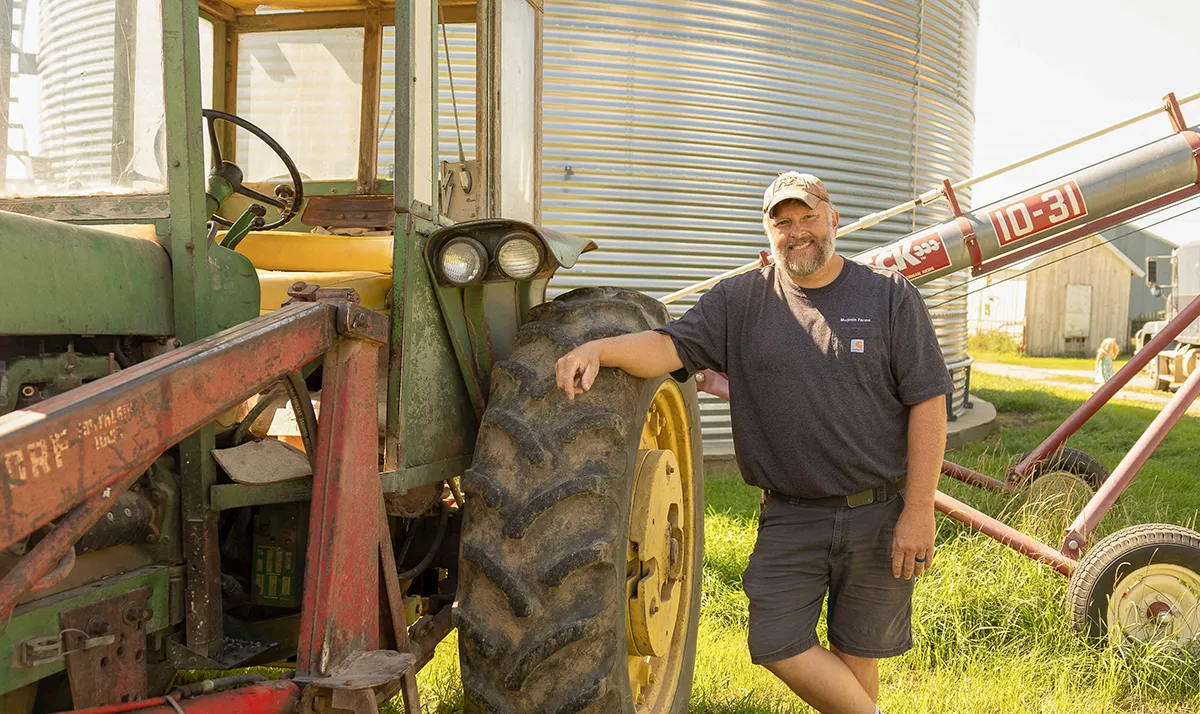
We haven’t experienced insecticide resistance on our farm, and fortunately, we haven’t had much soybean aphid pressure the last few years. But resistance is something I’m concerned about because I want the products we have today to continue working when we need them.
One thing I’ve changed is adding insecticide to a fungicide application just because it’s inexpensive and convenient. In the past, I might have looked at an extra couple of dollars per acre and thought, why not? For the last two or three years, I haven’t done that. It’s not about the cost. I’m concerned that unnecessary applications could contribute to resistance.
My philosophy is pretty simple: If you don’t need it, I don’t spray it.
Sometimes I think we take too much of a blanket approach instead of scouting our fields and doing our due diligence. We need to know whether there is enough insect pressure to justify an application before we make it.
I’m also watching newer challenges. I have one field with a high gall midge count, which may mean changing the rotation on that field for a while.
We don’t know what insect problem will come next, which makes stewardship even more important. Scout, know what you have and make the application when it’s needed. The goal is to preserve the tools we have so they’re effective when we really need them.”
Greg Tylka - Iowa State University nematologist
Iowa State University nematologist Greg Tylka has spent decades studying soybean cyst nematode and how farmers can protect the effectiveness of SCN-resistant soybean varieties.
As more soybean varieties with Peking resistance become available, farmers have another effective tool for managing soybean cyst nematode. But Greg Tylka worries the performance of those varieties could tempt farmers to rely too heavily on them.
“I am very worried that once a farmer grows a soybean variety with Peking SCN resistance in an SCN-infested field, they will be inclined to grow varieties with Peking SCN resistance every time soybeans are grown in the future because of the noticeably higher soybean yields compared to varieties with PI 88788 SCN resistance,” Tylka says.
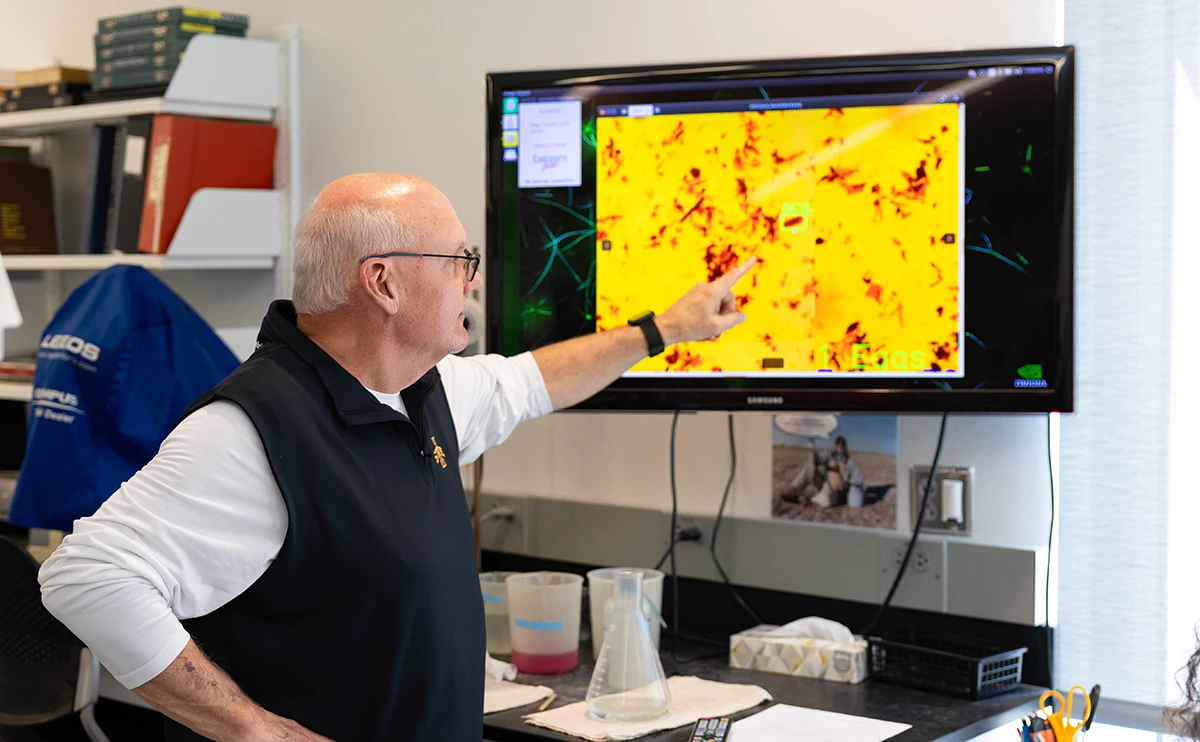
ISU nematologist Greg Tylka counts soybean cyst nematode eggs displayed on a monitor. Egg counts help reveal how effectively SCN populations reproduce despite resistance bred into soybean varieties.
That strategy could jeopardize the effectiveness of Peking resistance. Tylka says SCN populations are predicted to adapt to and overcome Peking resistance at least twice as quickly as they did PI 88788 resistance.
“Growing only varieties with Peking SCN resistance will not be good,” he says.
Instead, Tylka recommends alternating soybean varieties with Peking and PI 88788 resistance in addition to rotating soybeans with corn.
“Farmers should grow varieties with Peking SCN resistance in alternating crops of soybeans with varieties with PI 88788 SCN resistance to maintain the effectiveness of Peking SCN resistance,” Tylka says.
There can also be a benefit when farmers return to PI 88788 resistance. Tylka says SCN egg counts can be dramatically lower after a crop of Peking-resistant soybeans followed by a year of corn.
“Varieties with PI 88788 SCN resistance grown after a year of Peking SCN resistance will yield much better than when soybeans with PI 88788 SCN resistance are grown year after year,” he says.
More tools available
Farmers shouldn’t overlook nematode-protectant seed treatments as another tool for protecting soybean yields in SCN-infested fields.
“We’ve conducted more than 225 field experiments throughout Iowa, funded by soybean checkoff investments through ISA, and have found that seed treatments can increase yields several bushels per acre in some SCN-infested fields,” Tylka says.
Performance varies significantly across different farms and products.
“The yield increase isn’t the same in every field or with every seed treatment,” he says. “Farmers will need to try out various seed treatments in their own fields to see which treatments work the best and the most consistently.”
Additional SCN management tools are coming. Tylka says numerous companies are developing new biological and chemical seed treatments for SCN.
Beginning in 2028, farmers are also expected to have access to Nemasphere soybean varieties, which will have Bt-based SCN resistance added to PI 88788 resistance.
When Resistance Takes Hold - Fungal Diseases
Resistance threatens fungicide options farmers rely on most
ISU Extension plant pathologist Daren Mueller studies soybean diseases and fungicide resistance, including how resistance affects the value and effectiveness of fungicide applications.
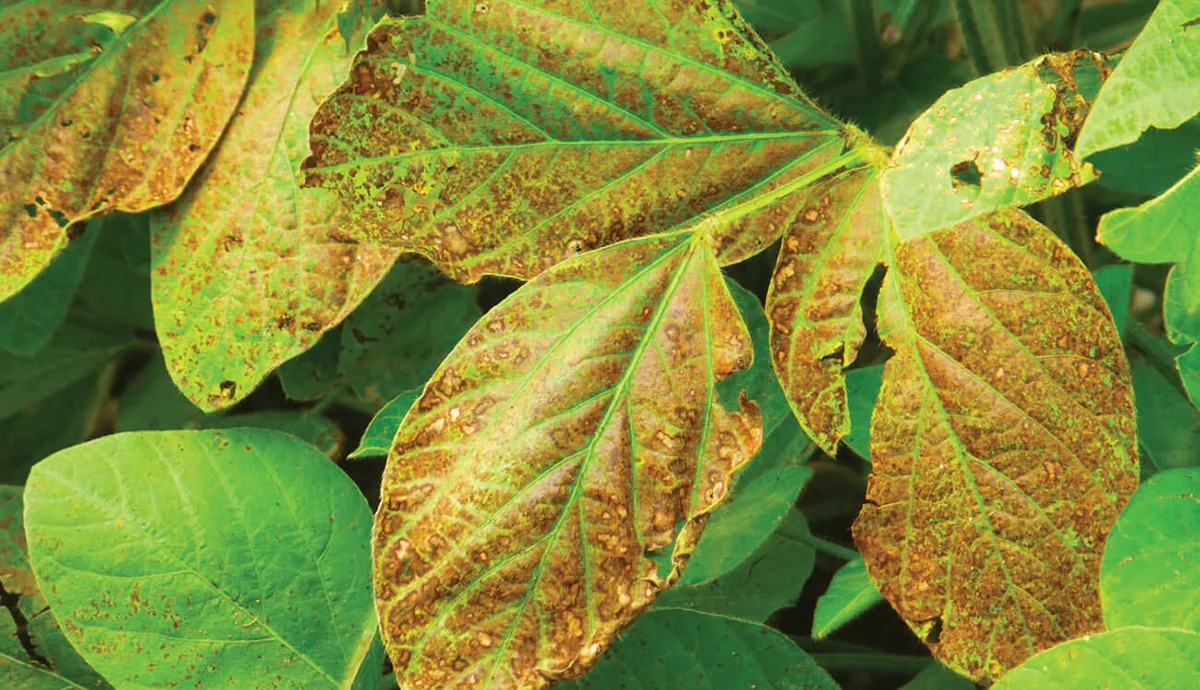
Cercospora leaf blight on soybean plant. (Photo: Soybean Research and Information Network)
What fungicide resistance challenges are Iowa soybean farmers facing today? Are we already seeing reduced effectiveness?
Mueller: In soybeans, resistance to Group 11 fungicides has been confirmed in pathogens that cause frogeye leaf spot, Septoria brown spot and Cercospora leaf blight. Resistance in pathogens that cause frogeye leaf spot and Septoria brown spot is widespread in Iowa. Recent research has also detected a high frequency of resistance among Cercospora isolates associated with Cercospora leaf blight and purple seed stain.
The practical message is straightforward: If you are using a premix fungicide containing a Group 11 active ingredient on soybeans in Iowa, question how much value that active ingredient is actually adding. When the target pathogen is resistant, that portion of the premix contributes little or nothing to disease control, and all the heavy lifting falls on the other active ingredient or ingredients.
That is a lose-lose situation. You are paying for an active ingredient that may provide little benefit while placing greater selection pressure on the chemistry that is still working.
Fungicides remain valuable tools, but they should be used when disease risk justifies their application and when they have effective modes of action. Recent Iowa research found a positive return on fungicide investment in only about 20% of soybean trials over five years.
Before investing in a fungicide application, know the diseases you are targeting, which active ingredients are still effective against them and whether expected disease pressure is high enough to justify the investment.
What’s the uncomfortable truth about fungicide resistance? Are some of our management decisions accelerating the problem?
Mueller: The uncomfortable truth is that fungicide resistance is not simply something that happens to us. We help create it.
Every fungicide application imposes selection pressure on a pathogen population. That does not mean fungicides should not be used, but every application should have a defensible biological purpose.
There is also an uncomfortable truth about premixes. We sometimes talk about 2- and 3-mode-of-action products as though the number of active ingredients automatically equals resistance management. It doesn’t.
If one component has already been compromised by resistance, the premix may say two or three modes of action on the jug, but biologically, the pathogen may be seeing only one. The label can say 3; the pathogen may experience one.
We pay for chemistry that is no longer contributing much while asking the remaining effective active ingredient to do all the work. Mixtures can slow resistance when both partners are effective, but simply adding another mode of action does not magically solve the problem.
Another place we fall short is practicing resistance management after resistance appears rather than before it appears. Once control failures become obvious across fields, stewardship has become damage control. Resistance management is really about protecting an active ingredient while it still works.
There is industry-wide tension here, too. The simplest commercial message is often “fungicide pays” or “more modes of action.” The harder message is: Sometimes the best fungicide decision is not to spray. Sometimes the better stewardship decision is to leave a fungicide in the jug, even though the application is inexpensive, convenient or already going across the field with something else.
What keeps you up at night when you think about soybean disease management over the next 5 to 10 years?
Mueller: I would actually flip the question. What helps me sleep at night is our amazing soybean breeders. Today’s cultivars have remarkable levels of resistance to many important soybean diseases, and that genetic resistance is the foundation of good disease management.
What keeps me up at night is that, in general, we don’t spend enough time understanding the fungicides we spray. What diseases are actually present? What active ingredients are in the product? Are they effective against those pathogens? Is resistance already present? And do we even need to spray?
Do your homework. Fungicides are valuable tools, but we need to protect the ones that still work.
Stewardship first. Application second.
Marty Danzer - ISA District 4 director and farmer from Carroll
“So far, we’ve been fortunate when it comes to disease pressure and resistance on our farm. This year, our soybean fields looked as good as I’ve ever seen them. We didn’t see the sudden death syndrome we’ve dealt with in some years, and we didn’t have disease issues that have required a fungicide application.
That doesn’t mean disease resistance isn’t something I think about.
My approach is to keep a close eye on our fields and use fungicides when there is a reason to use them. Most of my ground is within about three miles of where I live, so I’m regularly looking at the crop. We’ll bring in an agronomist when we need another set of eyes. If a disease problem develops and an application is justified, we’ll address it.
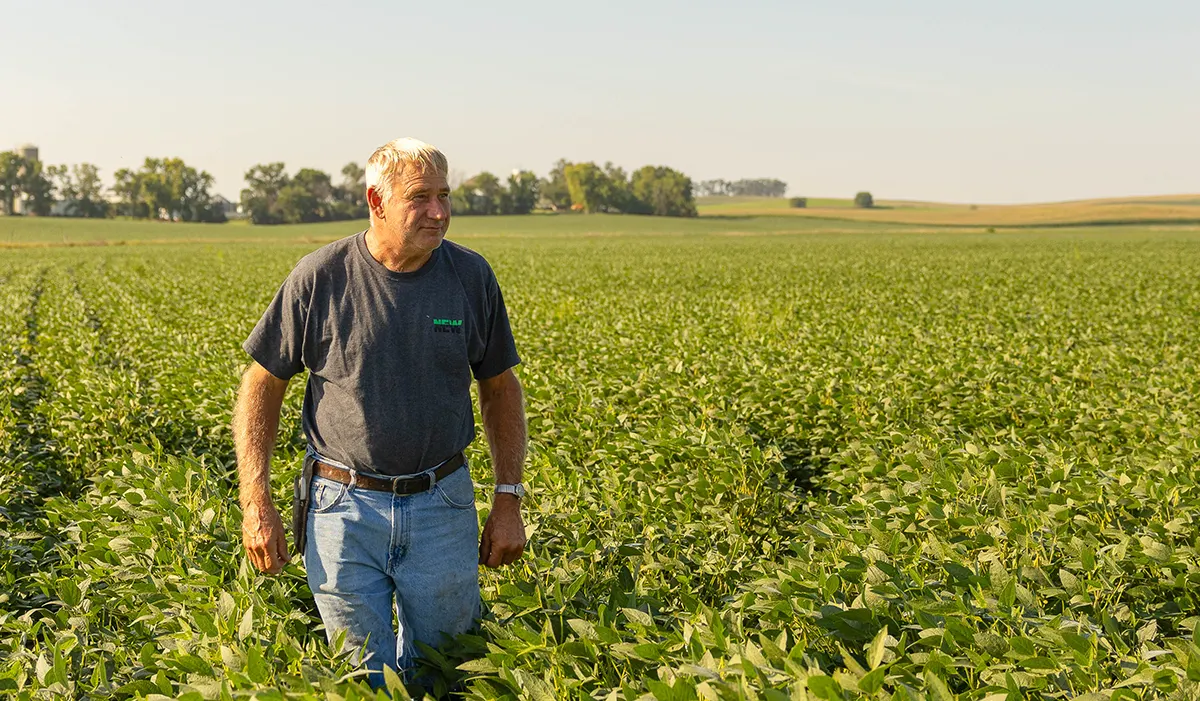
What concerns me is relying too heavily on fungicides when we don’t need them. If we repeatedly use the same tools simply because they’re available or convenient, we risk building resistance and potentially losing some of those tools when we really do need them.
There’s an economic side to that decision, too. With commodity prices where they are, we have to watch every input and make sure there’s a reason for the dollars we’re spending. At the same time, you can’t save your way out of a problem. If disease is threatening yield and profitability, you have to be willing to spend the money to protect the crop.
To me, that’s part of good stewardship. It’s about knowing what’s happening in your fields, making applications when they’re warranted and protecting the effectiveness of the products we have.
I want those tools to continue working, not only for my farm today, but for the years ahead.”
Waterhemp’s Winning Streak - Weeds
ISU Extension weed scientist Wes Everman studies weed management and herbicide resistance, including the growing challenge of multiple-resistant waterhemp in Iowa.
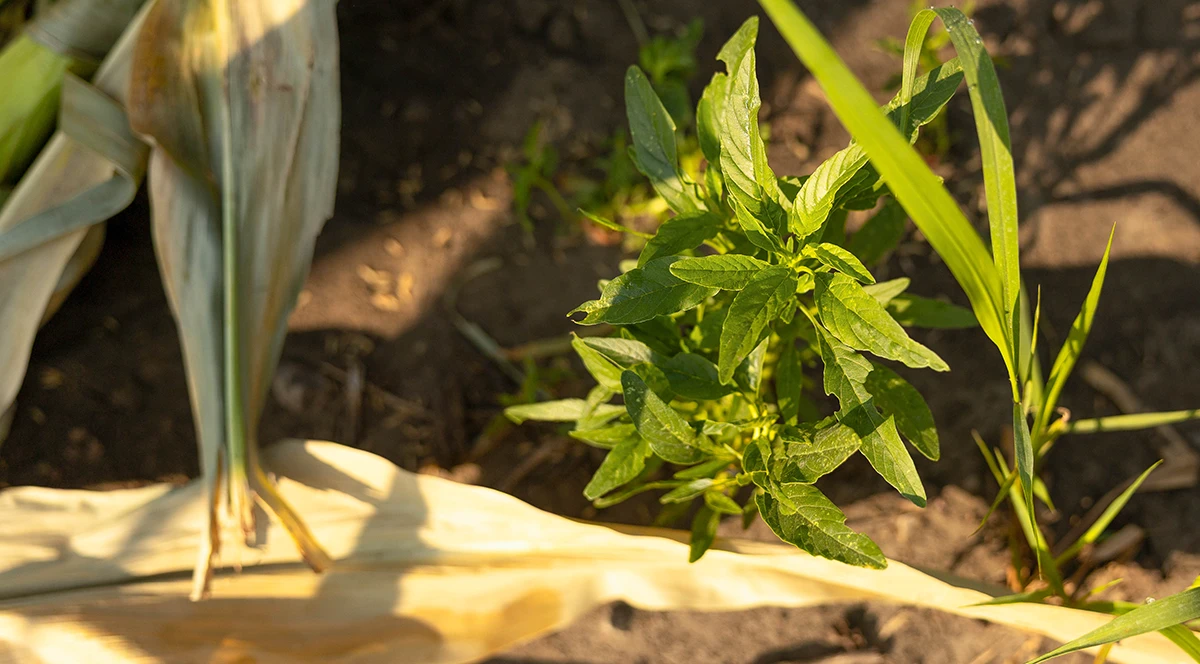
Herbicide-resistant waterhemp has become one of the most challenging weeds to manage in Iowa soybean fields.
What herbicide resistance challenges are Iowa soybean farmers facing today, and where do you see the biggest threats emerging?
Everman: We are seeing increasing resistance in waterhemp to our key herbicides. In Iowa, there is confirmed resistance to atrazine, HPPD inhibitors, PPO inhibitors, glyphosate, ALS inhibitors and dicamba, with suspected resistance to 2,4-D, glufosinate and Group 15 herbicides in waterhemp populations.
The number of instances of resistance is increasing. However, we still have many fields where we achieve excellent control of waterhemp. The greatest threat we are facing is multiple-resistant waterhemp biotypes, or stacked resistance.
In a 2019 survey of Iowa waterhemp populations, 80% were resistant to three, four or five herbicide groups. As we conduct the survey of samples collected in 2025, we expect to see more populations with resistance to four or more groups.
While we are still testing samples collected in 2025, it is clear that each herbicide group has more resistant populations and there are more multiple-resistant populations. Areas with repeated use of glufosinate plus 2,4-D in soybeans and dicamba in corn are also putting significant selection pressure on those herbicides.
The biggest emerging threats are potential resistance to those three chemistries and increased resistance to HPPD inhibitors.
What’s the uncomfortable truth about herbicide resistance that farmers, and perhaps the ag industry, don’t want to hear? Where are we falling short in how we manage weeds?
Everman: My most uncomfortable truth is that we are managing weeds based on a convenient system that limits or reduces management decisions and optimizes the ease of recommending, mixing and applying products for weed control.
This system was born from the Roundup Ready days, and it had its day in the sun. We have been trying to cram other herbicides into that system for more than 15 years, and it is breaking each of them because we are treating as many acres as we can with the same mix to avoid cleaning the sprayer between fields.
I realize this is a reality of the custom application system we have, but if we don’t identify areas to adjust the system, we are only hastening the demise of our top postemergence herbicides.
Leaving out residual products, cutting costs and counting on future herbicides to save the day all play a part. But until we get back to managing our acres based on the weeds present, including species, size and density, we are in a destructive loop.
The overuse of postemergence herbicides is most likely accelerating resistance. However, we don’t have current alternatives and have few options on the horizon. We need to identify where we can implement additional control measures and throw uncertainty at Mother Nature to slow down herbicide resistance.
What keeps you up at night when you think about weed management over the next 5 to 10 years? If nothing changes, what could soybean production look like?
Everman: My biggest fear is the mass loss of farmers and operators due to herbicide-resistant weeds creating significant changes in production practices over the next 5 to 10 years.
We need only look at Australia and the challenges farmers faced when they lost postemergence herbicides for controlling their primary weed in wheat, rigid ryegrass. When they lost all postemergence herbicides, they incorporated mechanical and cultural controls. But those who held out hope for a new herbicide or avoided the reality of the situation could not adapt efficiently, and approximately 70% of farms or farmers were lost over a 20-year period. Only those who were quick to react survived.
I worry we are on the same path and will need to identify and integrate nonchemical practices to preserve the chemistries we have left and slow the spread of resistant biotypes.
If we are not successful, future soybean weed management will involve an array of cultural and mechanical practices. There will be significant shifts in how we manage our fields, what equipment we use and whether any herbicides remain in the arsenal for managing waterhemp.
Think significant equipment costs upfront and in maintenance. Thankfully, technology can help automate some of this. However, we will see significant shifts in how we manage our crops, fields and weeds.
Dustin Sage - ISA farmer member from Dunkerton
“I’ve been fighting herbicide resistance for close to 10 years. Around 2016 or 2017, I had Roundup fail to the point where I didn’t have many options left, so I switched to Liberty soybeans.
When I made that change, I intentionally separated the chemistries I was using in my corn and soybean programs. I didn’t want to run the same chemistry across both crops. I’ve also been running a strong residual program because I knew resistance was something we were going to have to deal with.
After seven or eight years of using Liberty, I started seeing failures last year. I had waterhemp come through Liberty and Enlist in soybeans. This year, I’ve had problems controlling waterhemp in corn, too. I’ve also had green foxtail survive Roundup and atrazine.
Dustin Sage examines a waterhemp plant that survived a herbicide application, an example of the resistance challenges farmers are encountering in soybean fields.
I’m working with Iowa State University to better understand what I have going on. They’ve collected samples from my farm, and I expect we’ll be looking at more.
The concern for me is: Where do I go from here?
I went full no-till in 2019 and switched to narrow-row soybeans to get a quicker canopy and help with weed control. Now I’m wondering if I will eventually go back to 30-inch rows and pull the cultivator out of the shed. I’m getting to the point where I can suppress some of these weeds, but I can’t always contain them.
My message to other farmers is to get out and look. Don’t assume your herbicide program worked just because it has worked in the past.
You may believe you’re all right, but go take a look. You may have more problems than you think you have. If we want to keep these herbicides working, we have to think about stewardship and what we’re leaving ourselves for the future.”
Protecting tools
As resistance threatens the products farmers rely on to control weeds, diseases, insects and nematodes, ISA is investing soybean checkoff dollars in research to preserve existing treatments and find new solutions. Joe McClure, chief officer of ISA’s Research Center for Farming Innovation, says projects address resistance challenges involving waterhemp, foliar diseases, aphids, soybean cyst nematode and other pests. Projects also explore new modes of action.
ISA farmer-directors invest through ISA, the Iowa Soybean Research Center at Iowa State University and the North Central Soybean Research Program, creating opportunities to pool resources.

“The goal is to make the most of farmers’ checkoff investment by supporting the best projects and most impactful collaborations,” McClure says. “When possible, we’re leveraging funding from other entities so those checkoff dollars can go further while helping farmers manage pests and remain profitable.”
Written by Kriss Nelson.
Back