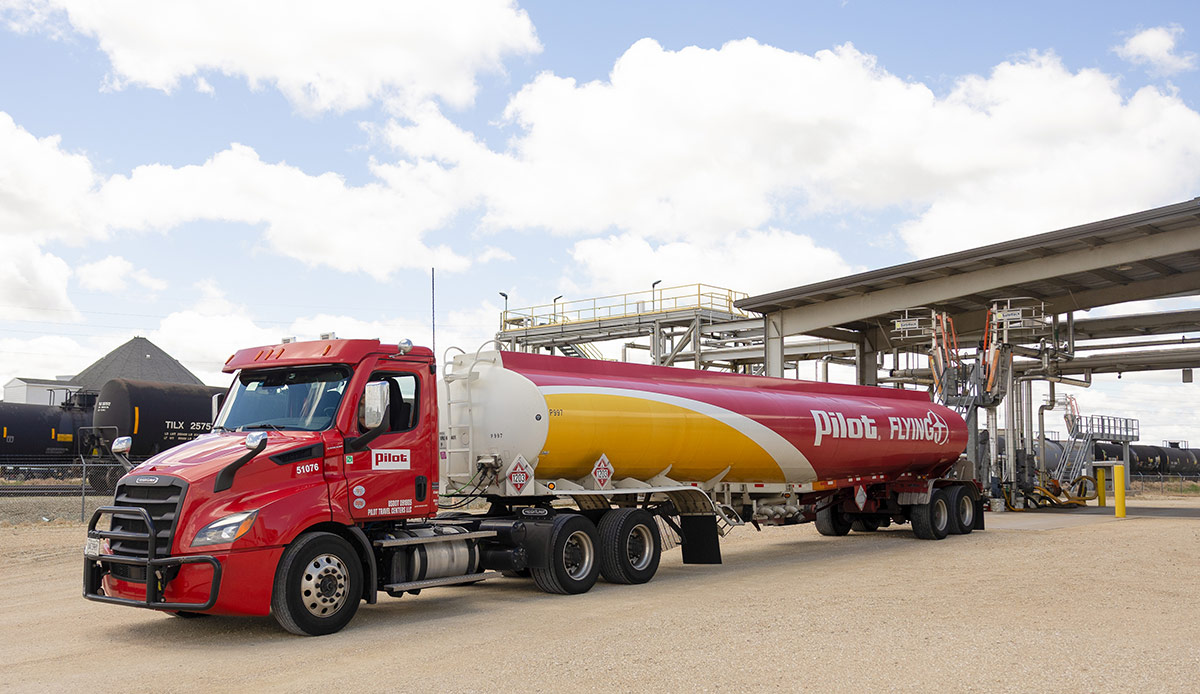
(Photo: Iowa Soybean Association / Joclyn Kuboushek)
Hedging the 45Z carbon math
September 1, 2026 | Bethany Baratta
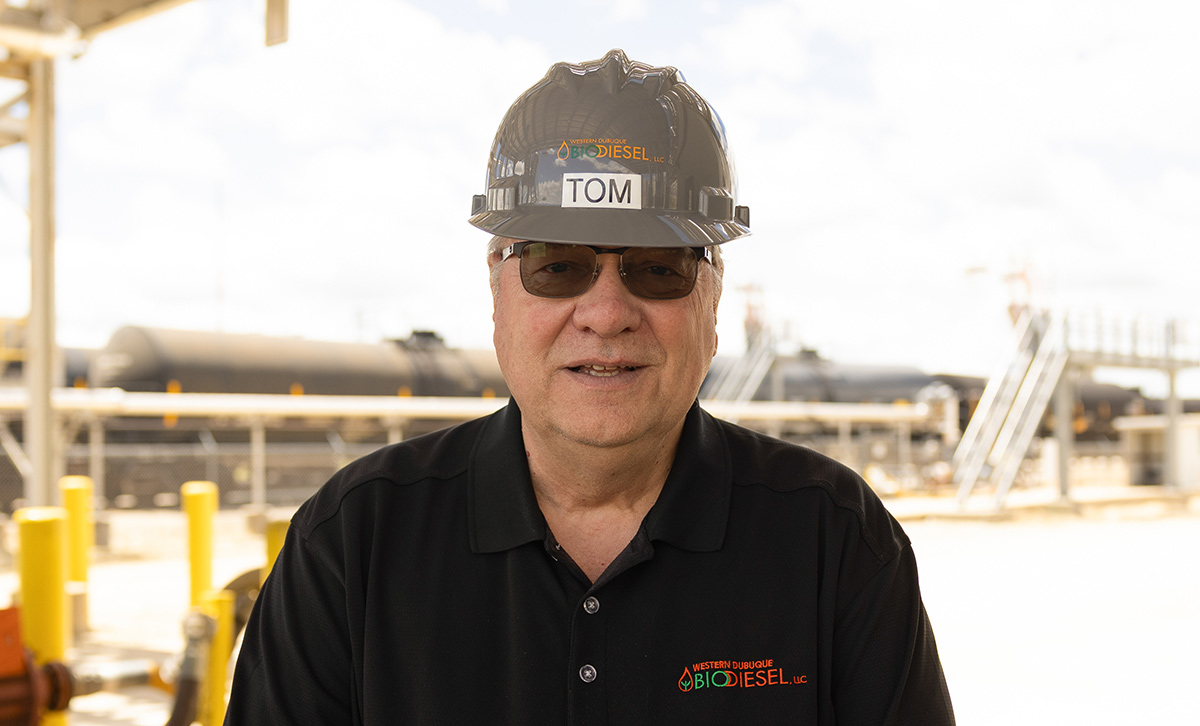
Tom Brooks monitors a custom Excel document he created from scratch. Tracking the costs of heating oil, soybean oil, and basis alongside operational expenses, Brooks watches formulas light up numbers in green or red, indicating if the market spread is profitable enough to trade.
Western Dubuque Biodiesel is adapting to a highly technical, carbon-mapped market driven by the upcoming federal 45Z Clean Fuel Production Credit. Brooks, who studied aerospace engineering, has managed the plant since its opening in 2007.
Running through 2029, 45Z benchmarks tax incentives to lifecycle carbon intensity scores of feedstock crops like soybeans. Following initial 2025 guidance, updated carbon models were released in late June 2026. In short, 45Z provides credits to producers who prove their fuel is made with lower-emitting feedstocks. It’s a policy framework designed to drive low-carbon innovation while supporting domestic feedstock demand and biomass-based diesel growth.
However, independent producers face unique operational friction under the new rules. To monetize the credit, they must secure an outside buyer for the credit, prove the fuel qualifies through rigorous extra audits, and wait on third-party clearinghouses to release the cash. Western Dubuque Biodiesel is still awaiting its first payouts from the previous tax year, creating a distinct working capital challenge.
“Under the old program, you filed one piece of paper that said how many gallons you ran that month,” Brooks says. “Under 45Z, we’ve already submitted over 3,000 pages to our first auditor just under the proposed guidelines, followed by an 84-page report reviewing the tax opinions.”
Policy in limbo
Right now, the industry operates in anticipation until the Treasury Department releases final guidance, expected in November. Brooks is focused on building the compliance infrastructure required to claim the credits once those final rules drop.
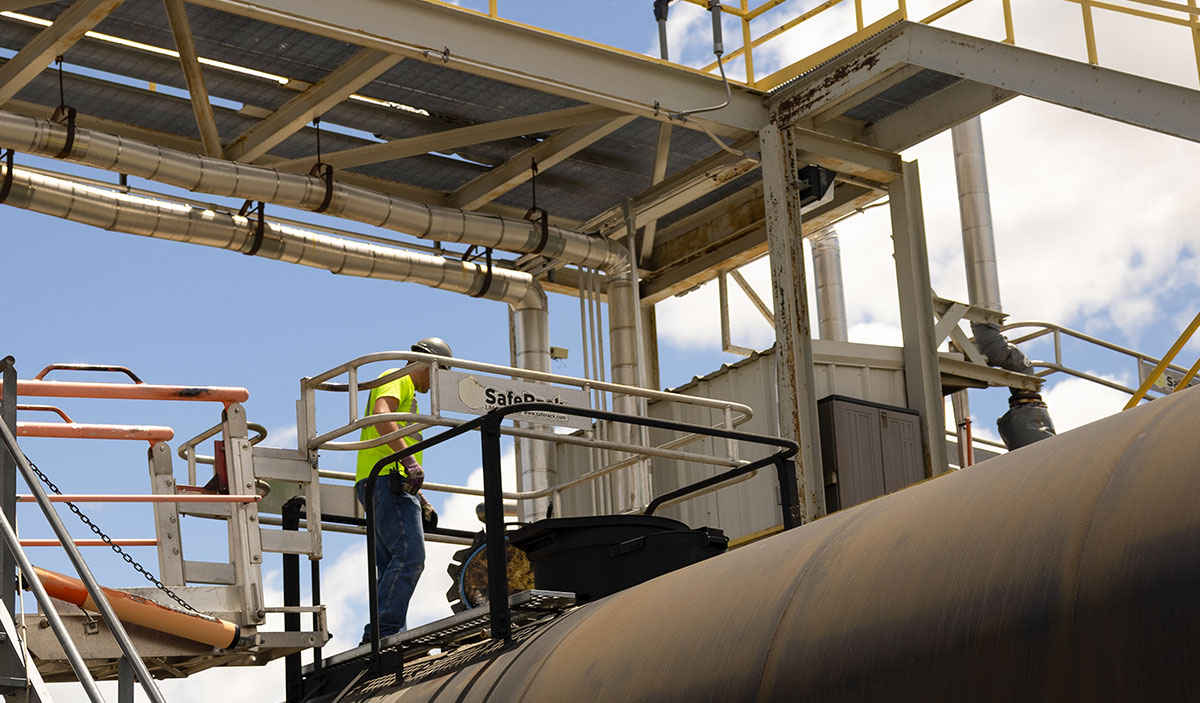
He maintains back-to-back contracts, sourcing feedstock from crush plants and elevators mainly within a 50- to 60-mile radius.
“I don’t buy feedstock until I know I have a sale,” Brooks says. “I know what the price is, and I’m out there trying to sell biodiesel to cover it.”
Nearly 25% of the fuel is loaded onto railcars and shipped into the Southwest via the CN rail line adjacent to the Farley plant. The bulk stays in the Midwest, sold to petroleum refiners and national fuel stops who blend the product into the traditional diesel supply to meet federal blending mandates.
Strengthening the framework
The structural transition from the old volume-based Blender’s Tax Credit to the carbon-intensity models of 45Z represents a fundamental shift. Because the industry faced regulatory uncertainty leading to the program’s launch, some independent producers temporarily adjusted production schedules to manage capital risk while awaiting formal guidance.
While the legacy program paid blenders a flat rate based on volume, the 45Z credit shifts the payout directly to the facility, tying the incentive to verifiable carbon reduction scores and compliance benchmarks, including prevailing wage and apprenticeship requirements.
On a macro level, the broader outlook for soybean oil demand remains resilient. Record federal Renewable Volume Obligations (RVOs) continue to establish a strong structural demand floor across the energy sector. Even if some independent facilities face localized balance sheet pressures during this regulatory transition, other major market participants are positioned to step in and utilize the available feedstock.
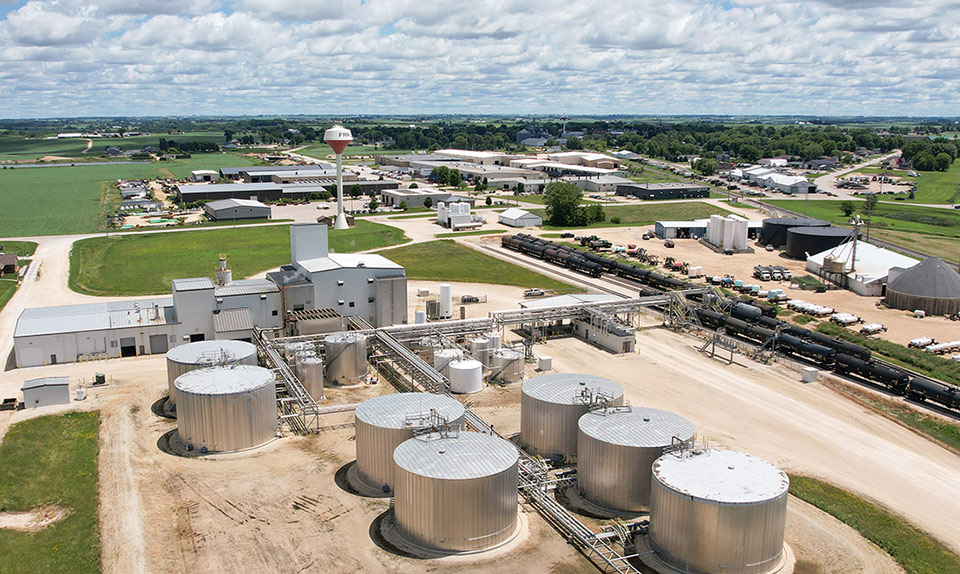
However, independent plants like Western Dubuque Biodiesel represent vital historic investments for local farmers and rural communities. Maintaining a diverse industry structure — where both large integrated companies and independent regional plants can thrive — holds significant economic and political value, particularly when the industry returns to Congress to advocate for extensions.
As the industry looks toward the November final rules, the goal is not to dismantle 45Z, but to optimize its implementation while strictly maintaining its preference for North American feedstocks. Streamlining the compliance pipeline, reducing administrative complexity for smaller entities, and creating predictable monetization mechanisms can make the credit accessible to plants of all sizes without undermining the core incentives that support biomass-based diesel growth. Over time, the execution process is expected to improve as Treasury guidance matures, the market gains experience, and financing mechanisms become more established.
Written by Bethany Baratta.
Back