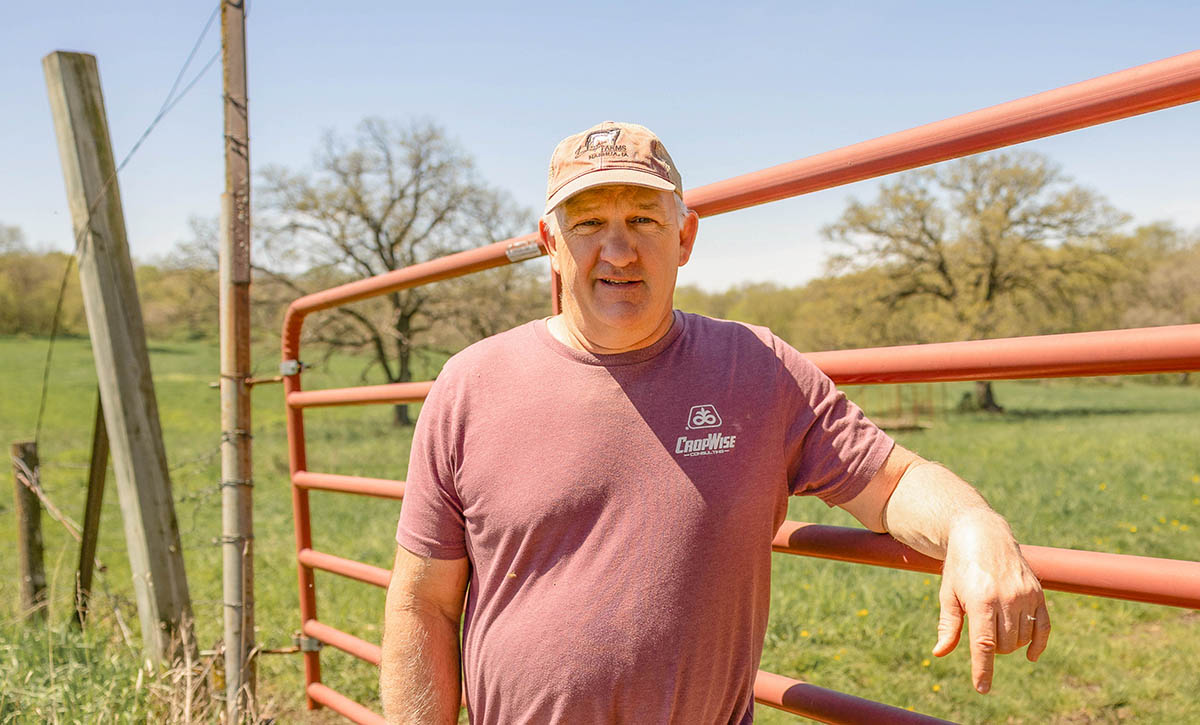
(Photo: Iowa Soybean Association / Joclyn Kuboushek)
Why foresight matters in the rink and on the farm
February 9, 2026
“Don’t skate to where the puck is. Skate to where it’s going to be.”
In my fifteen years as a hockey player, I heard that quote from Wayne Gretzky more times than I can count. At the time, it seemed simple, but looking back, I realize how deeply that wisdom applies to life beyond the ice.
This idea of thinking ahead shapes how both hockey players and farmers plan. Foresight, situational awareness and good judgment are critical tools, especially for farmers as they prepare for the challenges of each winter planning season.
Hockey players rely on all three of these tools every time they step on the ice. Foresight helps them predict where the puck will go so they can catch passes, block shots, and stay ahead of the fastest-moving object in team sports. Situational awareness allows them to read where teammates and opponents are positioned, understand how plays are developing, and recognize threats as they appear. Good judgment ties everything together by helping them decide when to pass, when to shoot, and how to act in the heat of competition.
Farmers use these same tools in their own way. Foresight guides their major decisions, such as what comes next in crop rotation, tracking weather trends, predicting market shifts, and finding new conservation opportunities. Situational awareness looks like understanding how water moves across their fields, how different hybrids perform under different management practices, and where wet or dry periods affect yield the most. Good judgment influences their ability to time decisions correctly, choose the best cost-share options, and trust the right advisors, such as conservation agronomists and watershed coordinators. Over time, it helps them balance conservation goals with financial realities and use cost-share where it counts.
These parallels between hockey and farming highlight a core truth: success in any field comes from looking ahead and planning carefully.
To improve a hockey skill, players must plan months in advance. They work day in and day out to improve their game and wait for the long-term payoff. Sometimes, it takes a few seasons to see the rewards.
Farming follows a similar path. With conservation practices and proper land stewardship, some efforts take a few growing seasons to perfect and time just right, and sometimes they simply need patience while nature does its work. Either way, Iowa’s farmers can plan ahead, use the available resources, and succeed in the conservation space.
Iowa farmer Dan Dietz excels in conservation, using no-till, cover crops, a wetland, and cover crop grazing. He is planning for his farm’s future on a grand scale.
“We want the next generation to have good dirt to farm,” he says.
Dan hires a local student to test soil samples, and has seen major improvements in soil health.
“Since soil sampling, we’ve seen our soil microbiology more than double,” Dietz says. “These practices are working. I don’t even own tillage equipment.”
Farmers and hockey players alike care about seeing the results. For hockey players, it’s whether or not they’re scoring goals and winning games. For farmers, it’s higher yields and often just making enough profit to stay afloat. To Dan, conservation pays off in the long run by improving soil health, reducing costs and increasing farm resilience.
“The dirt and the land are worth a dollar amount, and some of these practices are working to keep it in place,” Dietz says. “Why would you pay per acre to watch that wash away? Why not keep that dirt on the land?”
At its core, this is exactly what Wayne Gretzky meant. Don’t skate to where the puck is. Skate to where it’s going. Farmers like Dan aren’t just reacting; they’re anticipating, adapting and investing in a better future for their land.
Written by Tom Collins, communications specialist for the Iowa Agriculture Water Alliance.
Back