(Photo: Iowa Soybean Association / Aaron Putze)
U.S. soy finds steady ground in Japan
December 1, 2025 | Aaron Putze, APR
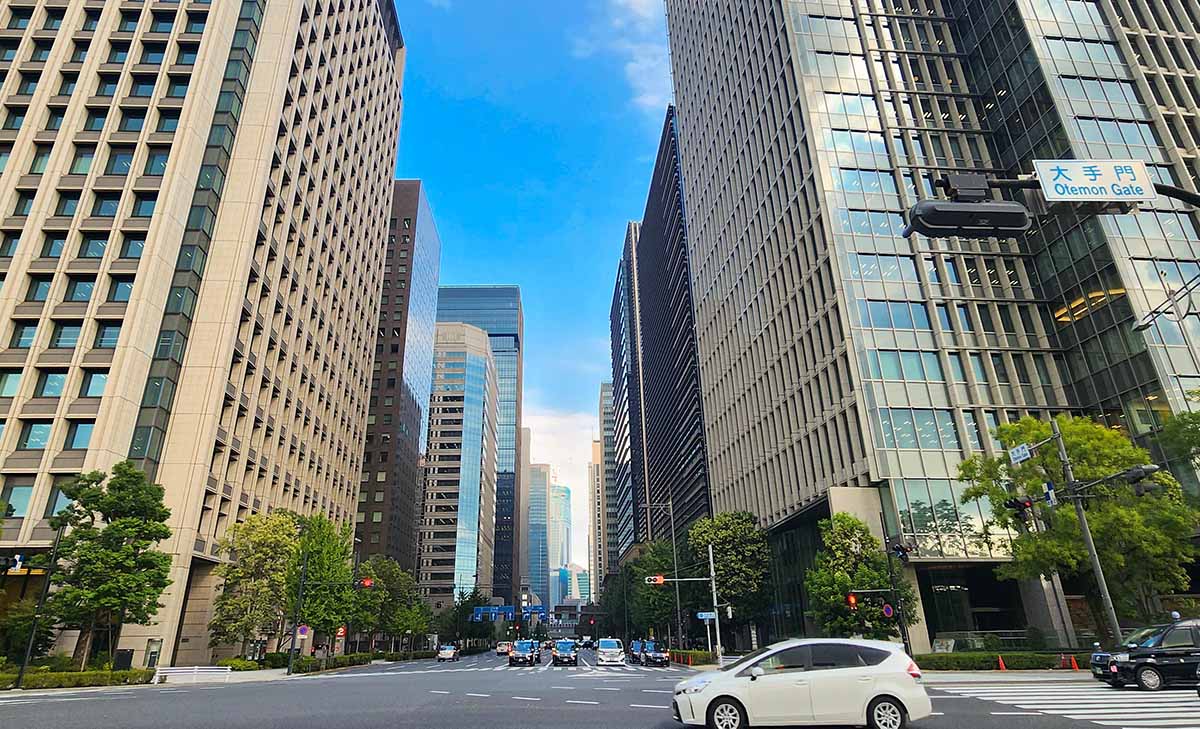
Everything in Tokyo moves.
Home to 37 million people, Japan's capitol pulsates, but in an orderly rhythm. Streets are busy, but there's never a horn that sounds. Sidewalks are filled, but no one's in a rush. There are lines, but everyone waits their turn. Its infrastructure is clean and modern, streets are vibrant and tidy, and its citizens are friendly and welcoming.
Ironically, despite the constant motion, the country and its largest metropolitan area have proven to be a steady market for Iowa and U.S. soybean farmers.
"It's an amazing country; the people are so friendly," says Jeanne Bailey, Minister Counselor for Ag Affairs with the U.S. Department of Agriculture's Foreign Ag Service. "The Japanese have taken excellence to an artform."
Bailey's comments, made on the 37th floor of Tokyo's Intercontinental Hotel, kickstarted a three-day trade mission in September involving U.S. soybean farmers and market development, communications and executive staff representing 12 state soybean associations.
"The Japanese love detail and exactness and you as farmers bring that to the table," Bailey added. "Every country needs food, and you're our best ambassadors. Your visit speaks volumes and more eloquently than anything we in government can say."
The learning mission, organized by the U.S. Soybean Export Council, took place just as Iowa's farmers were preparing to harvest another large crop. It was mid-September, new crop soybean sales to China were non-existent and cash soybean prices for a bushel of soybeans in north central were teetering on $10.
While the promise of new markets for Iowa's agricultural exports makes headlines, customers make purchases. Japan is the fourth largest economy in the world and a long-time U.S. ally and trading partner.
And every market matters for Iowa soybean farmers who are expected to harvest a crop exceeding 560 million bushels, or nearly 13% of the nation's total.
Import reliant
Home to 125 million people, Japan has a land area the size of California but only 11% of it's arable. The average farm size throughout most of the country is less than four acres, half of which is planted to rice, its favored crop.
"It's a country heavily reliant on ag imports as it can only provide less than two-thirds of the food its people need," says Mike Yegge, an Iowa Soybean Association (ISA) district 2 director and trade mission participant. "It must also import 90 percent of its energy so there's both current business for U.S. farmers and the potential to do more."
During the last marketing year, Japan's ag imports totaled $63 billion. Twenty percent of that total, or $13 billion, was from the U.S. and included soybeans, corn, pork and beef."
That makes the U.S. its top supplier, but it's a very competitive market," says Yegge.
While the U.S. soybean industry is working to diversify its portfolio of buyers, Japan is doing the same with its suppliers.
The country consumed 3.4 million metric tons of soybeans in 2024, with 93% of it supplied via imports. The U.S. accounted for two-thirds of that total, followed by Brazil (23%) and Canada (10%).
Brazil, the world's largest producer and exporter of whole soybeans, and Canada, a prolific supplier of food grade soybeans, are seeking to increase their piece of the import pie. Since 2020, the U.S. has already seen its share of the Japanese soybean market decline from almost 70% to less than 50%.
While South America might produce more soybeans, its logistics and inability to store crops hinders its ability to supply a market like Japan.
"They can't readily ship corn and soybeans in the volumes preferred by Chinese buyers," says Yegge. "And lower priced U.S. soy out of the Pacific Northwest is also a convenient option."
Japan favors doing business with the U.S. and there is value recognition regarding the quality of U.S. soy. Soybean oil from their crush sector is preferred in food applications due to color and higher iodine value. The U.S. Soy Sustainability Assurance Protocol (SSAP) is a recognizable mark found on many consumer products, helping drive demand and preference.
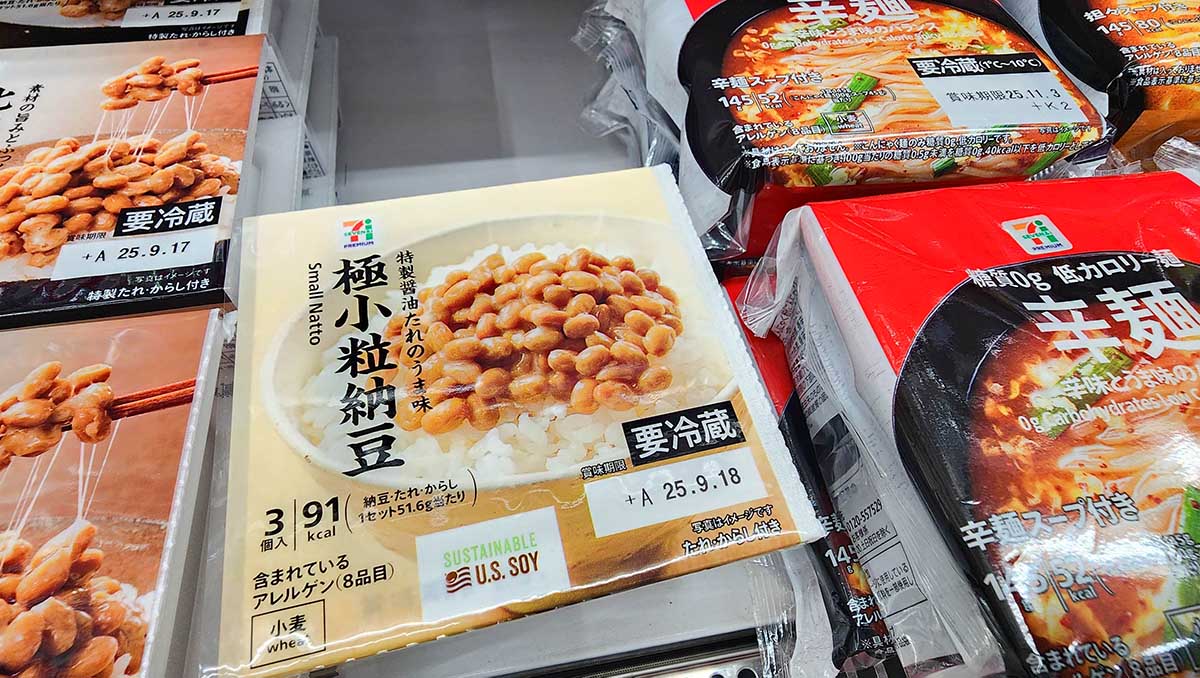
"You can find it on most soybean related consumer products around the country," says Grant Kimberley, senior director of market development for ISA. "The carbon footprint of U.S. soy is also recognized to be much better than Brazil."
These distinctions and value propositions matter for Japan. The country is home to one of the oldest populations, with nearly one-third of Japanese citizens age 65 or older.
While Japan is a major food bean market that already emphasizes U.S. purchases, Kimberley says there is room to improve. Tofu and miso are popular food offerings, with tofu accounting for nearly half of food soybean demand. Natto and a variety of soy-based beverages are growing in popularity.
"Japanese soy food companies are innovators on taste and texture of soy and continually looking at new products to boost sales," says Kimberley, who also farms just a 20-minute drive north of ISA's Ankeny office. "These efforts hold promise for increased soy demand and U.S. sales."
Boosting U.S. soybean exports hinges on attaining market access, differentiating and elevating U.S. soy from the competition and building preference for U.S. soy.
For the most part, Kimberley says soy market access is good with most countries in the world, with Japan being one of the best. The country is increasingly looking to import U.S. soy from the Pacific Northwest as soy prices become more favorable due to softening prices and ample supplies. "We also have a key advantage into the Japanese market as we can ship smaller quantities than our competitors, either by container or combo vessels," he says. "Also, buyers can purchase smaller quantities where they can get combo vessels that holds a few compartments of corn and soybeans."
Japan may only be able to grow soy imports moderately, but it's critical to maintaining strong partnerships and relationships with one of our best and long-standing customers.
"Although we have good market share for whole beans and food grade beans, there is room to continue to increase market share, especially with soybean meal," says Kimberley.
Japan maintains a relatively free import policy with no tariffs on soybean imports. However, recent yen depreciation and rising prices for North American identity preserved food-grade soybeans have impacted the competitiveness of domestically grown soybeans, say U.S. soybean leaders.
A U.S.-Japan trade agreement announced in summer 2025 called for the purchase of an additional $8 billion in
U.S. commodities.
"That may be a tough mountain to climb," says Kimberley. "But given relationships between the two countries, perhaps it's good to aim high. If we fall somewhere short of that amount, we're still moving in the right direction."
Sustainable Soy
The U.S. set a record for the 2024-25 marketing year with more than 45 million metric tons of Soy Sustainability Assurance Protocol (SSAP) verified soy exports. That's the highest annual volume since the first SSAP-verified shipments set sail in 2014.
The news reflects the growing value global customers place on the trusted sustainability of U.S. Soy.
The SSAP program allows buyers to meet their own sustainability and environmental social and governance commitments with confidence that U.S. soy is produced using science-based, responsible farm management and transparent documentation.
What's behind this growing preference? U.S. soy farmers are leading with continuous improvement, adopting innovations that have reduced land use per bushel by 48% and greenhouse gas emissions by 43% since 1980, while also advancing soil and water health. U.S. Soy's long-term commitment to stewardship has made it the trusted choice in more than 80 markets around the world.
Japan's Fuji oil is a leading food ingredients business including vegetable fats, industrial chocolate, emulsified and fermented ingredients and soy-based ingredients.
Founded in 1950, it seeks to make plant-based protein part of the Japanese consumer's regular diet for better health. Soybeans sourced from the U.S. with SSAP certification is the perfect ingredient given Fuji Oil's commitment to transparency, continuous improvement and environmental sustainability.
"We want our Japanese customers to know more about SSAP and they can attach SSAP and know what it is when they see it on packages," say Fuji company leaders.
Fuji commands the third largest share of global chocolate market and is focused on developing food recipes and food ingredients. It has more than a half-century focus on protein including powdered, granulated and textured soy protein.
Written by Aaron Putze.
Back