(Photo: Iowa Soybean Association / Joclyn Kuboushek)
Beyond biodiesel: New markets emerge for soybean oil
July 16, 2026 | Kriss Nelson
For years, expanding soybean demand has focused on food, livestock feed and, more recently, renewable diesel. But soybean checkoff leaders say another opportunity continues to gain momentum: industrial products made with soybean oil.
That was the focus of a recent Agri-Pulse webinar, where farmer-leaders and industry representatives discussed how soy is replacing petroleum in products ranging from road treatments and lubricants to tires, adhesives and cleaning products. Their goal is to create new markets for soybean oil by producing products that compete on performance as well as sustainability.
Barry Alexander, a Kentucky farmer and United Soybean Board director who serves on the organization's Industrial Working Group, said checkoff investments continue to expand soy's industrial uses.
"Anything you can use a petroleum-based oil or product for, we (soy) can move into these industrial uses just the same," Alexander said.
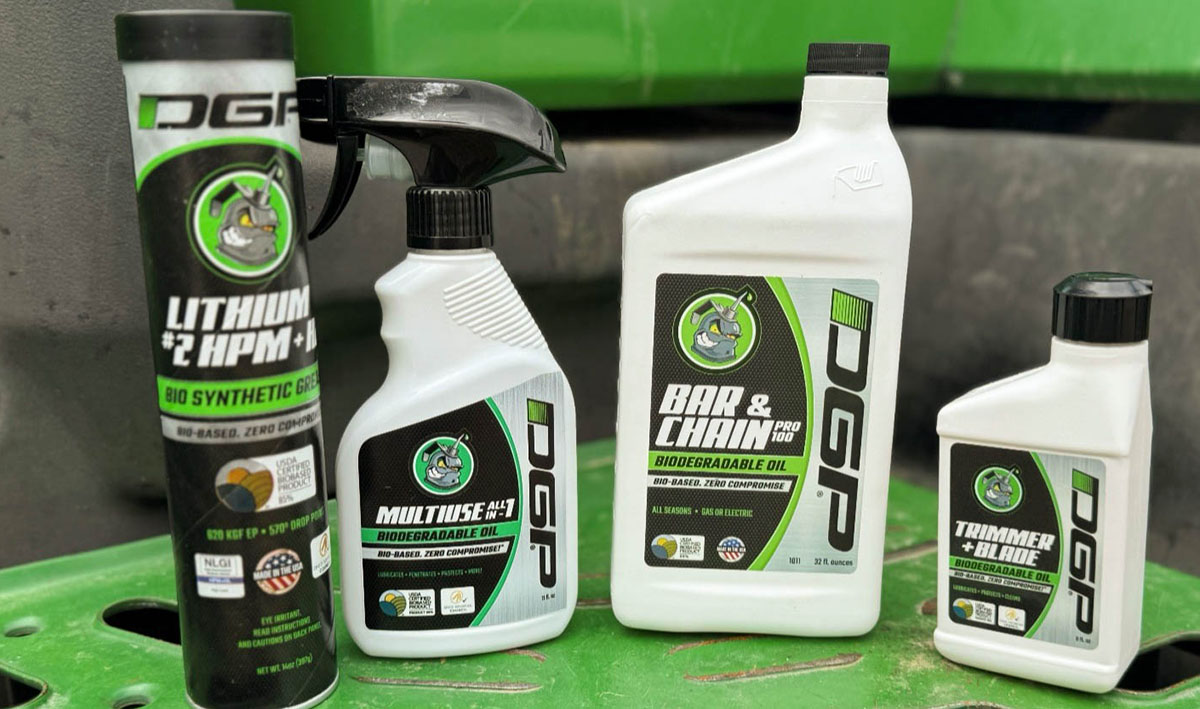
Among those innovations are soy-based roadway treatments, lubricants, adhesives, paints, coatings and plastics. Missouri-based BioSpan Technologies uses soy chemistry to extend the life of asphalt while incorporating recycled materials, and Dynamic Green Products manufactures soy-based lubricants now sold under brands including DeWalt, Craftsman and Mac Tools.
"We are literally growing the future of infrastructure and energy extraction in our fields," said Lindsey Hermes, CEO of BioSpan Technologies.
Scott Porter, founder and CEO of Dynamic Green Products, said long-term success depends on performance.
"We want people to use the products because they work better than petroleum," Porter said.
Innovation questions
Following the panel discussion, Agri-Pulse Editor-in-Chief Sarah Gonzalez posed questions submitted by webinar attendees about market opportunities, product development and the future of biobased innovation.
Can you talk about the U.S. Department of Agriculture's BioPreferred Program and how government procurement could be strengthened to encourage wider adoption?
Porter: The USDA BioPreferred Program is a great starting point because it identifies companies and products that are different. The biggest challenge is awareness. Most consumers don't know what the BioPreferred label means, so it doesn't influence purchasing decisions. Government agencies are supposed to buy BioPreferred products, but there is still a lack of education about the program and how it fits into purchasing requirements. Certification gives companies credibility, but more education is needed in both the public and private sectors.
Hermes: We've had a very positive experience with the BioPreferred Program because of the credibility that comes with the USDA label. Earning that certification requires third-party testing, time and investment, which validates what's in our products. I'd like to see stronger incentives for companies that achieve BioPreferred status. Programs that support exporters of agricultural commodities show what's possible. Similar incentives for manufacturers using U.S. soy would help expand markets. We've also benefited from USDA's Food Export Program, which has helped us introduce soy-based products to international markets.
What role could tax incentives play in encouraging companies to adopt biobased products?
Porter: Right now, there is very little incentive for private companies to use BioPreferred products. Most businesses aren't familiar with the program, and even if they are, there's no financial reason to make the switch. Incentives similar to renewable fuel credits could encourage manufacturers, especially small and medium-sized businesses, to develop BioPreferred strategies and compete with conventional products.
What role can public-private partnerships play in increasing awareness and adoption?
Alexander: Those partnerships are critical. Research funded through the United Soybean Board often begins in university or independent laboratories, but commercial partners are needed to bring those innovations to market. Farmers, researchers and private companies all depend on one another. Today, industrial uses account for only about 5% of soybean demand. Expanding those value-added uses would create significant new demand for soybeans while strengthening the farm economy. My goal is to see more soybeans sold as value-added products instead of simply as commodities.
From a soybean farmer's perspective, how are sustainability goals creating new opportunities, and where do you see the market headed?
Alexander: Everyone is looking at carbon scores, from manufacturers to shipping companies, and soy offers one of the best low-carbon options available. Farmers are constantly working to improve their land and leave it better for the next generation. Soybeans are renewable, they're grown every year and they're a sustainable solution that fits what today's markets are demanding.
Are you seeing differences in how international markets value sustainability?
Hermes: It depends on the market, but sustainability consistently ranks much higher internationally than it does in the U.S. Here, cost and performance usually come first. In many export markets, sustainability is a primary purchasing driver. Regulations in Europe and elsewhere are also increasing demand for life cycle assessments and environmental product declarations. Those certifications help verify environmental performance and are becoming increasingly important for architects, engineers and product specifiers.
Do you foresee a future where biobased products become a lower-cost alternative to petroleum-based products? What would help reduce costs for consumers?
Hermes: Higher petroleum prices certainly make biobased products more competitive, but many customers who switch stay with biobased products because they're cleaner, safer and non-toxic. We've also found that preserving infrastructure with biobased products often saves money over the long term by reducing costly repairs and replacements.
Porter: I don't expect biobased feedstocks to ever be cheaper than petroleum. The real question is whether they can be cost-competitive over the entire life cycle of a product, and I believe they can. As processing capacity grows and investment increases, costs will continue to improve, but performance and overall value will ultimately drive adoption.
Could policies that create demand for soy as a manufacturing input, rather than simply a finished product, help expand markets?
Alexander: Absolutely. The goal is to move more soybeans into value-added products instead of selling them strictly as commodities. Creating demand for soy as a manufacturing input benefits farmers, processors and manufacturers throughout the value chain.
Are soy-based alternatives being developed to replace PFAS in products like food packaging and firefighting foam?
Alexander: Yes. Research is already underway on soy-based coatings for products such as pizza boxes and other food packaging. There is also significant work being done to replace PFAS in firefighting foam with soy-based alternatives. Those products offer environmental benefits while creating meaningful new demand for soybeans.
Are there additional regulations affecting demand for biobased products that deserve attention?
Hermes: Regulations continue to evolve, especially in Europe. As a small business, we focus on life cycle assessments and environmental product declarations because they're becoming essential for proving environmental performance. Those third-party verified measurements help companies compete globally and provide transparency for customers.
Beyond tax incentives, what policies would help companies scale production and encourage private investment?
Porter: Manufacturing incentives remain the biggest need. Companies throughout the supply chain, from manufacturers to distributors and retailers, need reasons to invest in biobased products. Today, consumers can't walk into a store and easily find a biobased or BioPreferred section. Better policies, stronger incentives and greater coordination across the value chain would help make biobased products the standard rather than the exception.
Looking ahead five years, what do you hope has changed in the biobased products industry?
Alexander: I hope consumers begin requesting biobased products because they understand the performance and environmental benefits. As more soy-based products become part of everyday life, that demand will create new markets for farmers.
Hermes: I'd like to see biobased products become the default choice instead of the alternative. That will happen through more data, more successful pilot projects and greater confidence from customers who see proven results.
Porter: I hope biobased products become the standard. That starts with smart public policy, better incentives and greater consumer awareness. When manufacturers, retailers and policymakers are all working toward the same goal, adoption will accelerate.
Written by Kriss Nelson.
Back