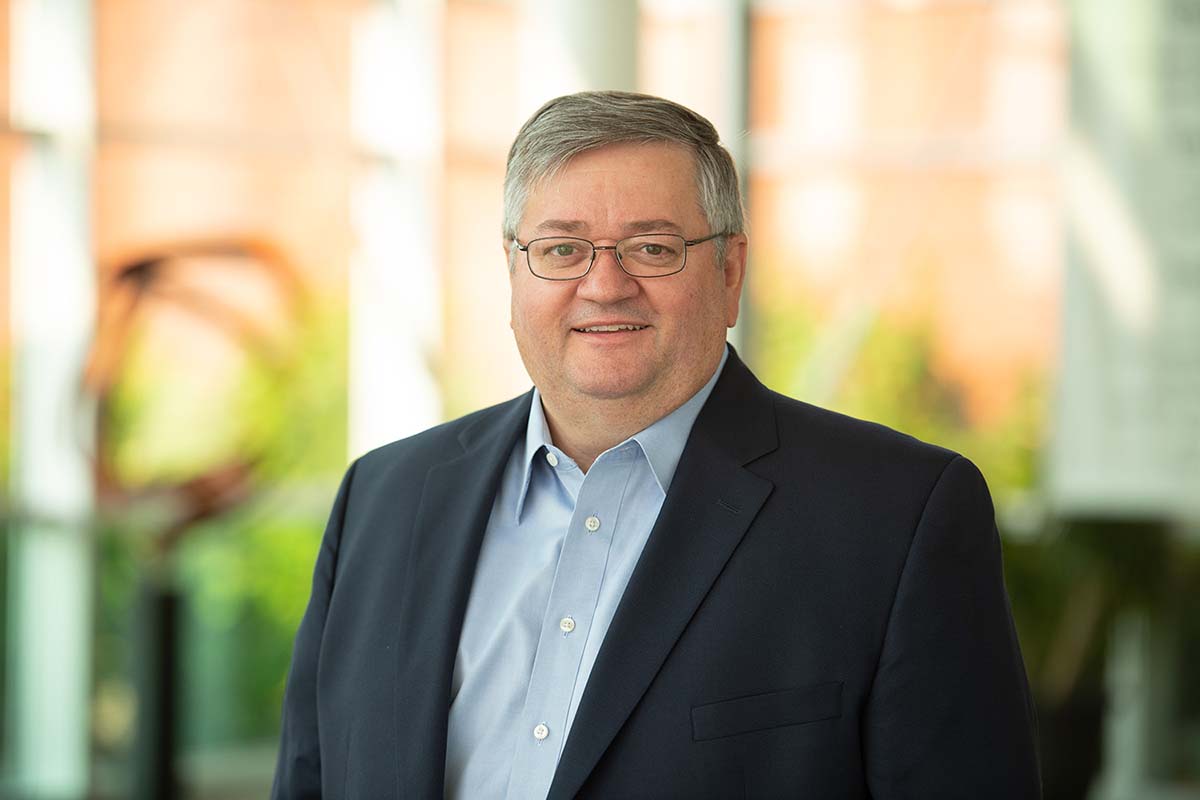
(Photo: Iowa Soybean Association / Joclyn Kuboushek)
Executive Insights: The power of farmer investment
June 1, 2026 | Kirk Leeds
For more than three decades, my work with the Iowa Soybean Association (ISA) has given me a front-row seat to one of the most important developments in modern soybean agriculture: the creation and evolution of the United Soybean Board and the national soybean checkoff program.
I remember that first meeting in Indianapolis (September of 1991). There was a sense of purpose and uncertainty in the room. While the vision of strengthening demand for U.S. soybeans was clear, the path forward was still being defined. We knew then that farmers were stepping up, committing increased resources through the checkoff to build something that would shape the future of our industry.
ISA has played a critical role in bringing that vision to life. As the state’s qualified soybean board, ISA serves as the link between Iowa farmers and the United Soybean Board. It is responsible for directing 50% of farmer checkoff investments in Iowa to state-level priorities while also ensuring that Iowa’s voice is represented in national discussions and initiatives.
Checkoff accomplishments
The soybean checkoff was created to expand domestic and international demand. In the early 90s, China was not a major customer. Over the years, we’ve realized that potential through strategic market development, trade relationships, and a consistent focus on reliability and quality.
Equally important has been the soybean checkoff’s role in developing new uses for soy. In 1991, few could have predicted the scale and impact of biofuels. Investments in research and commercialization helped turn soybean oil into a key feedstock for biodiesel and renewable diesel, creating entirely new demand streams. ISA has complemented those national efforts by supporting local initiatives and education that accelerate market adoption.
Research has always been a cornerstone of the checkoff’s mission. In the early days, soybean cyst nematode was a known threat, but the level of coordinated research we see today didn’t exist. Through sustained investment, we’ve made significant progress in understanding and managing SCN, though it still remains a challenge.
Research priorities have evolved with the industry. White mold, for example, wasn’t even on the radar as a major concern in many parts of the country. Today, it’s a well-recognized disease that demands management strategies and ongoing study.
The soybean checkoff has made a lasting impact in communication. Early efforts to connect with farmers have expanded to include consumers, telling the story of modern agriculture and the sustainability of soybean production. ISA has been a leader in that effort at the state level, ensuring transparency and building trust with farmers and the public.
An investment in unity
It’s remarkable to see how far we’ve come since that meeting 35 years ago. What started as a bold idea in Indianapolis has grown into a coordinated, farmer-led system connecting local priorities with national impact. The partnership between USB and state soybean organizations ensures investments are strategic and grounded in the realities of the farm.
The challenges have changed, the opportunities have expanded, and the stakes are higher than ever. But one thing hasn’t changed: the commitment of soybean farmers to invest in their own future. The soybean checkoff program is a testament to what can happen when farmers unite.
Written by Kirk Leeds.
Back